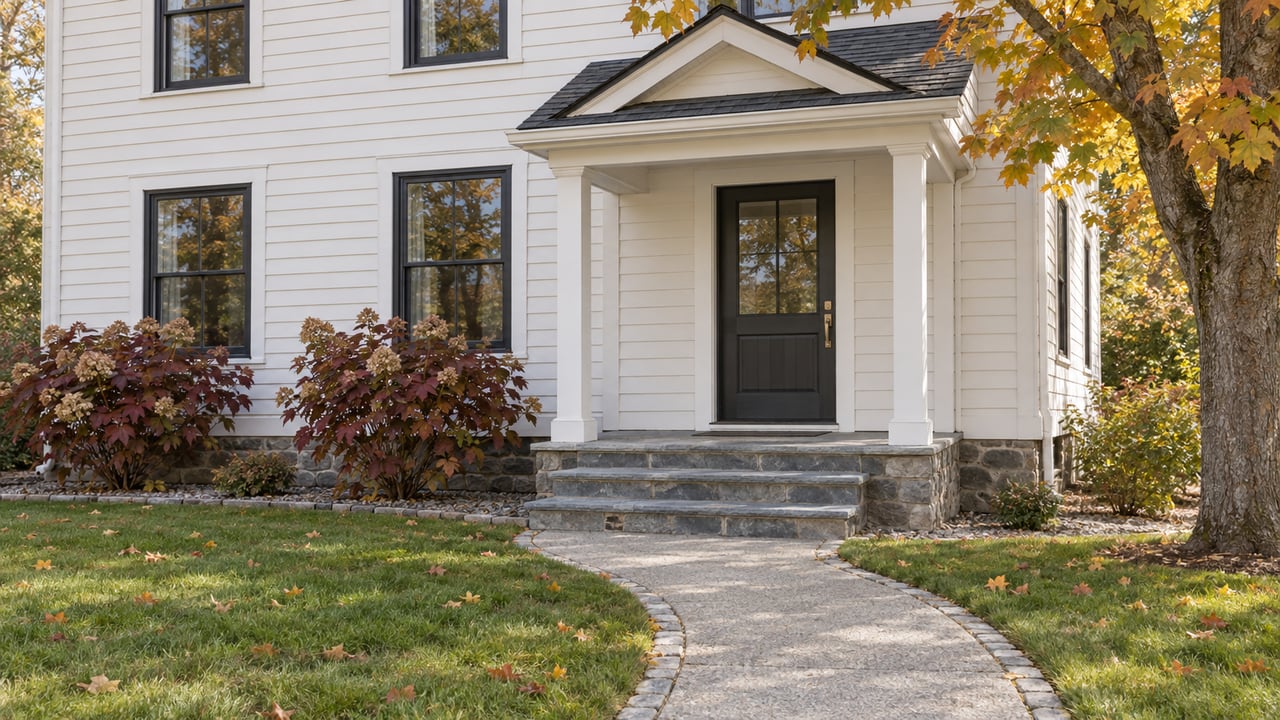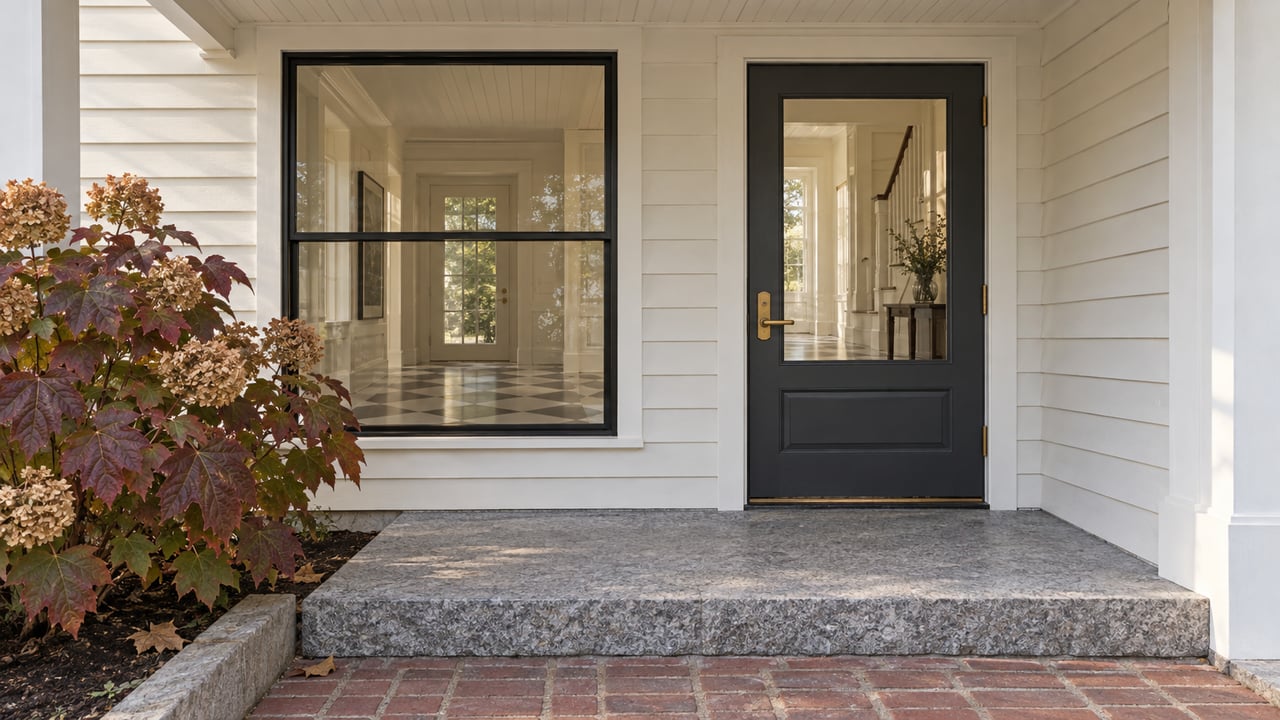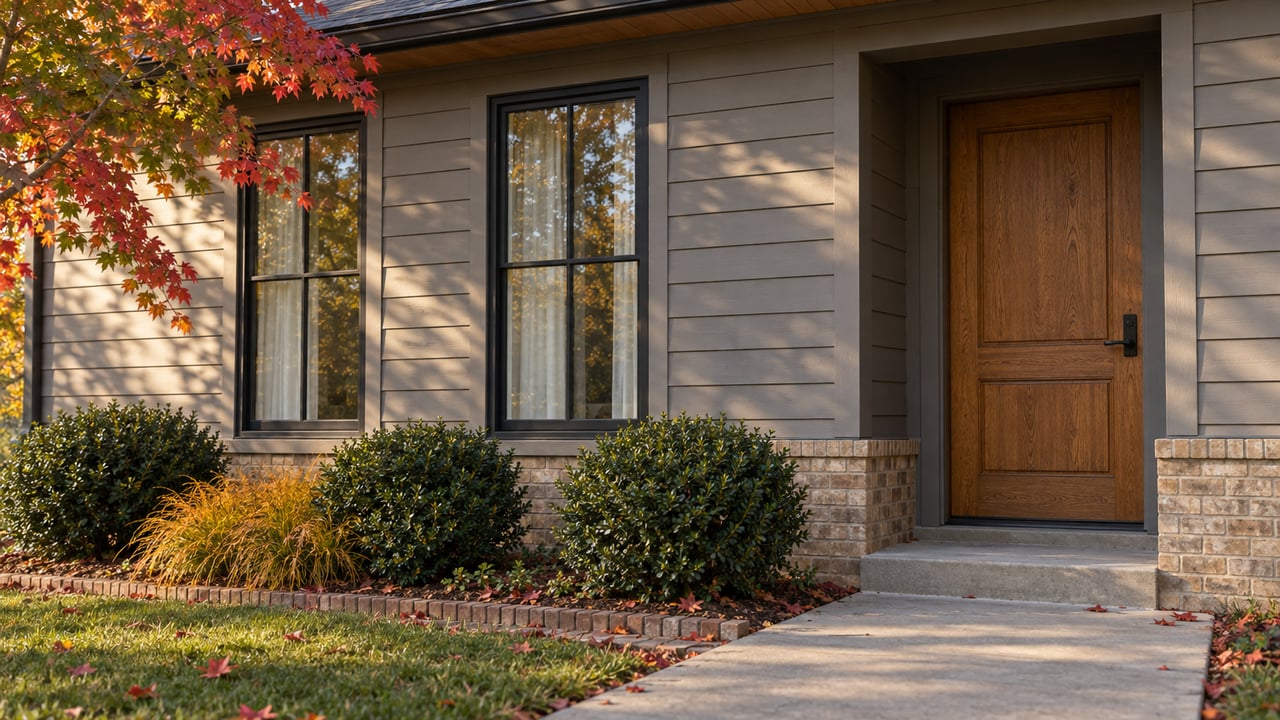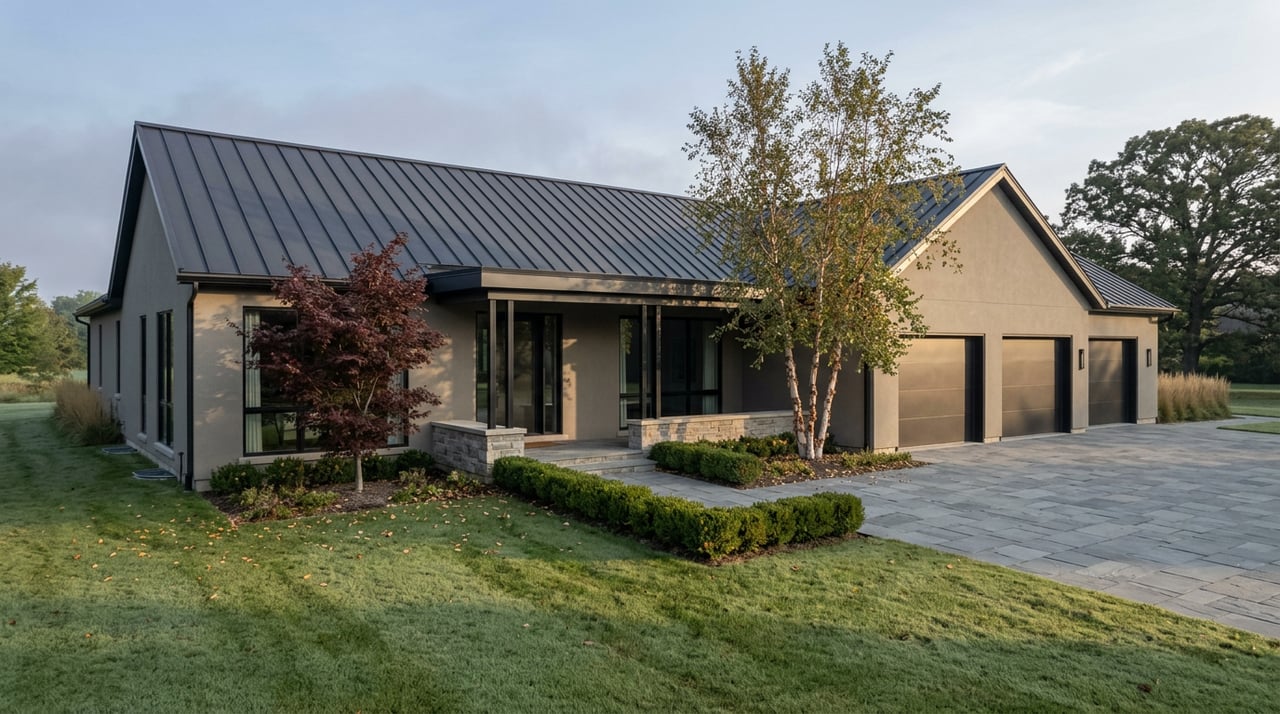
Dreaming about crown moldings, pocket doors, and the kind of character you only find in older homes? If Vernon is on your radar, you are in great company. From Rockville’s grand Victorians to Talcottville’s mill‑village charm, this corner of Tolland County offers standout historic options. In this guide, you will learn where to look, what to check during inspections, how Vernon’s review process works, and which financing tools can make a renovation plan realistic. Let’s dive in.
Vernon’s historic appeal at a glance
Vernon is home to one of Connecticut’s most notable collections of 19th‑ and early‑20th‑century buildings. Much of Rockville is listed on the National Register as the Rockville Historic District, known for mill complexes and richly detailed homes from the same era. You will see styles like Italianate, Queen Anne, and Colonial Revival clustered near former mill centers. For background on the neighborhood and its architecture, review the overview of Rockville’s historic district context.
Just southeast, Talcottville offers a smaller, well‑preserved mill village with worker housing and intact streetscapes. The town documents the area’s history and preservation approach on its Talcottville Historic District page.
Vernon also recognizes Rockville as a cultural district and uses local tools to protect neighborhood character. That added attention can be a real positive for long‑term value if you plan updates thoughtfully.
Styles and features you will see
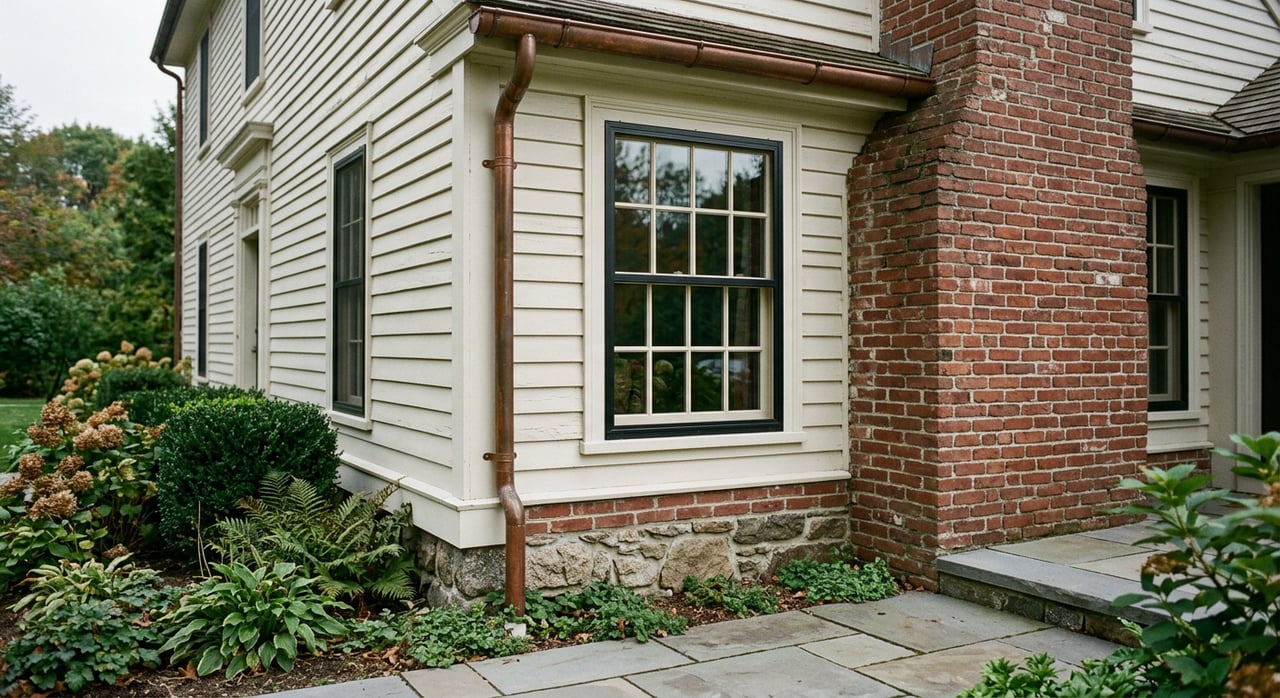
Expect a mix of Greek Revival, Gothic Revival, Italianate, Queen Anne, and early 20th‑century revival styles. Typical details include wood clapboard or shingle siding, tall double‑hung wood windows, wraparound porches, and decorative brackets or spindlework. Interiors often have plaster walls, original trim, and hardwood floors.
Construction is usually wood‑frame on stone or brick foundations, with masonry chimneys and a mix of roofing types. Some homes still have slate or wood shingles, while many have later asphalt replacement. Mechanical systems vary widely. You may encounter older steam or hot‑water radiators, oil boilers, and antique electrical components mixed with newer upgrades.
What to check during inspections
Buying a historic home is all about clarity. A thorough inspection, paired with a few targeted specialist checks, will help you plan and budget with confidence.
Structure and foundation
- Look for settled or bulging stone or brick foundations, cracked or missing mortar, and uneven floors.
- Check for chronic moisture at the basement perimeter and signs of efflorescence.
- Red flags: active water leaks, major cracks that run through mortar into framing, and repeated patching without documentation.
Good moisture control is essential for older masonry and framing. The National Park Service offers guidance on repair‑first approaches and energy improvements that protect historic materials. Review the NPS overview on improving efficiency in historic buildings.
Roofs and chimneys
- Inspect roofing condition, especially around valleys, dormers, and chimneys. Slate can last a long time if maintained.
- Have a certified chimney sweep evaluate liners and masonry. Look for loose bricks or missing mortar.
- Red flags: missing flashing, interior stains after rain, and unstable chimney masonry.
Windows, walls, and insulation
- Original wood windows often perform well when repaired, weather‑stripped, and paired with storms. This preserves character and can be energy efficient.
- Check plaster for delamination and significant cracks. Note any previous window replacements that changed historic proportions.
- Follow the NPS repair‑first guidance when planning energy upgrades that affect windows and walls. See the same NPS resource on sensitive efficiency improvements.
Electrical systems
- Older homes may have knob‑and‑tube or cloth‑insulated wiring and small service panels. These systems are ungrounded and can trigger insurer limits or require updates.
- Have a licensed electrician assess capacity, panel condition, and any unsafe splices.
- Red flags: exposed knob‑and‑tube serving modern loads, aluminum branch wiring without proper repairs, and modified or obsolete panels.
Plumbing
- Look for galvanized supply lines and cast‑iron stacks. These can be serviceable but may require staged replacement.
- Ask for records of any repiping and have a plumber scope lines if symptoms suggest interior corrosion or blockages.
Heating and fuel
- Many older Connecticut homes use oil heat. Verify the appliance age and service history, and ask about fuel‑tank location and records. For statewide context, review the Energy Information Administration’s snapshot of Connecticut home heating.
- Order an oil‑tank scan if you suspect a buried tank. Ask sellers for closure or removal documentation.
Environmental tests
- Lead paint: Homes built before 1978 can contain lead. Renovations on pre‑1978 homes must follow the EPA’s Lead Renovation, Repair and Painting Rule. Use certified contractors for any disturbance.
- Asbestos: Possible in old pipe wrap, floor tiles, and some insulation. Test before disturbing materials.
- Radon: Tolland County appears as a moderate area on EPA maps, but the EPA recommends testing every home. Review the Connecticut radon guidance and map in the EPA’s state resource.
Site, drainage, and trees
- Confirm that grading slopes away from the foundation and that gutters and downspouts carry water well clear of the house.
- Evaluate large trees near the foundation and old masonry. Root systems and poor drainage can compound settlement issues.
Permits and design review in Vernon
If your home is in Rockville’s historic district, Talcottville, or the Rockville Village District Overlay Zone, some exterior changes may require local review. Vernon’s zoning code outlines how the Local Historic Properties Commission (LHPC) is notified and how its recommendations are considered during certain permits and site plans. You can read the relevant section of Vernon’s code of ordinances.
Before you replace siding, swap street‑visible windows, alter porches, or plan an addition, budget for design time and approvals. The LHPC publishes clear examples to help you understand what typically qualifies. Start with the LHPC Design Guidelines to avoid surprises and keep your timeline realistic.
Common projects that may need approval:
- Window replacements visible from the street
- Siding or trim changes that alter appearance or materials
- Porch modifications and additions
- Large exterior additions or new accessory structures
Financing older‑home upgrades
Renovation loans can make it easier to buy a historic home and complete improvements soon after closing.
- FHA 203(k): This HUD‑insured mortgage lets you combine the purchase price and eligible renovation costs into one loan. It covers many common system upgrades and requires FHA‑approved lenders and, for larger scopes, a consultant. Review HUD’s consumer guide to the FHA 203(k) program.
- Fannie Mae HomeStyle Renovation: A conventional option that also finances purchase plus renovations with different eligibility criteria than FHA. Learn the basics from Fannie Mae’s HomeStyle Renovation overview.
Practical tips:
- Check early with your lender and insurer if the home has knob‑and‑tube wiring, an underground oil tank, or major deferred maintenance. Some products or carriers set conditions or limits.
- Build inspection and financing contingencies into your offer so you have time to scope costs and negotiate repairs or credits.
Value‑adding updates that respect character
Well‑planned improvements can boost comfort and resale appeal without erasing what makes a historic home special.
- Prioritize safety and structure: Foundation repairs, roofing, chimneys, electrical upgrades, and heating systems usually come first.
- Make smart energy gains: Weather‑stripping, storm windows, attic insulation, and targeted air sealing can improve comfort without stripping original windows or trim. The NPS guidance supports these repair‑first strategies.
- Design kitchens and baths thoughtfully: Updated finishes that echo period proportions and materials tend to attract future buyers, especially in districts where character matters.
Buyer checklist for your offer
Use this quick list to stay organized.
Pre‑offer questions
- Ask if there is any known knob‑and‑tube or aluminum wiring, evidence of a former underground oil tank, and records of structural or foundation repairs.
- Confirm whether the property lies in Rockville’s historic district, Talcottville, or a local overlay that triggers exterior review.
Inspection contingencies
- General home inspection plus specialists as needed: electrical evaluation, structural engineer if settlement is suspected, chimney sweep, plumber, and environmental testing.
- Order a radon test and consider lead and asbestos testing before any planned demolition.
- Request an oil‑tank scan if there are signs a tank may be buried.
Permits and approvals
- Contact Vernon’s Building and Planning departments to confirm whether planned exterior work needs LHPC review or a Certificate of Appropriateness.
- Budget additional weeks for design and public hearings if you are planning significant exterior changes.
Insurance and financing
- Confirm insurability and any required improvements for closing.
- Discuss 203(k) or HomeStyle with your lender if you plan to finance upgrades.
Ready to explore Vernon’s history?
If you are picturing yourself on a Rockville porch or in a Talcottville cottage, you do not have to navigate it alone. Our team pairs local knowledge with a practical, step‑by‑step plan for inspections, permits, and renovations so you can buy with confidence. Reach out to Kathy Danais to tour homes, strategize your offer, and connect with trusted local pros.
FAQs
What makes Rockville and Talcottville “historic” in Vernon?
- Both areas contain significant 19th‑century architecture and mill resources, with Rockville and Talcottville recognized through National Register listings and local preservation policies.
Do I need approval to replace windows on a historic Vernon home?
- Often yes if windows are visible from the street in a designated area; check Vernon’s LHPC guidelines and confirm the process with the town before ordering materials.
Can I finance renovations with my mortgage on an older home?
- Yes. FHA 203(k) and Fannie Mae HomeStyle let you combine purchase and renovation costs into one loan, subject to eligibility and lender requirements.
Are original wood windows a liability in older Vernon homes?
- Not necessarily. Many can be repaired, weather‑stripped, and paired with storm windows to balance comfort and historic character.
How do oil tanks affect buying a historic home in Vernon?
- Underground tanks can pose risk and may impact insurance or financing; ask for records, order a scan if needed, and plan for safe closure or replacement if found.