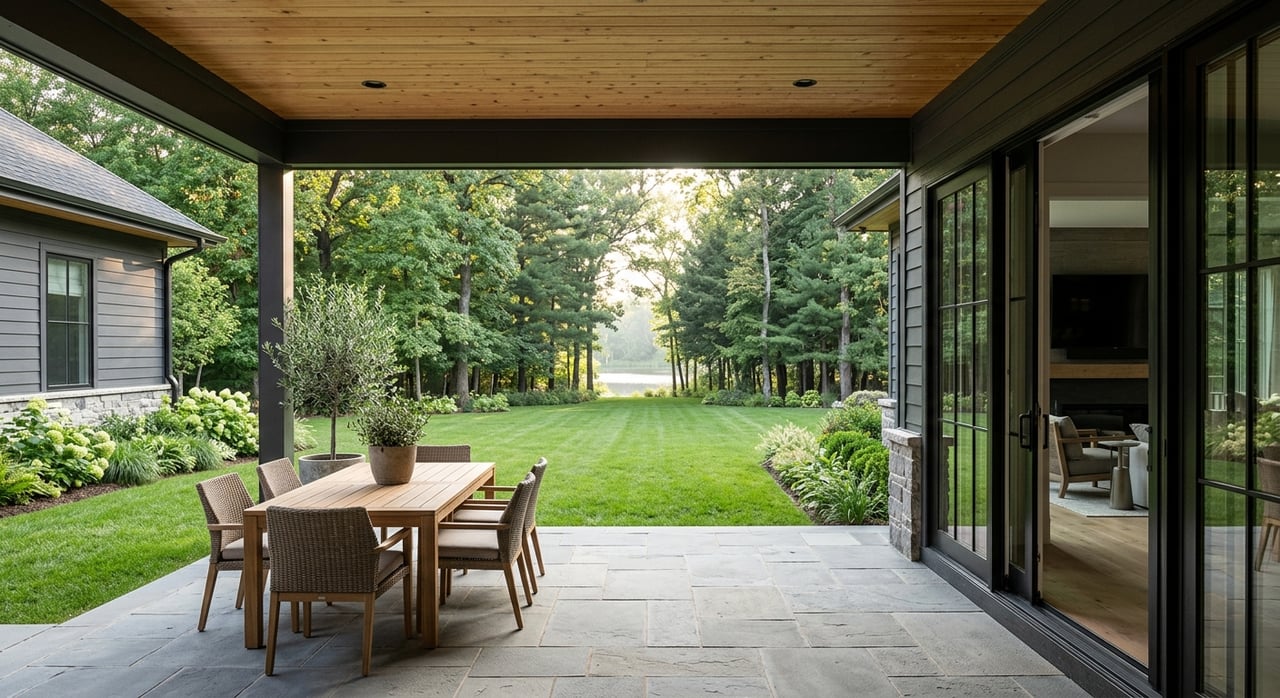
If you picture "lake living" in Tolland as a row of docks and a public beach, you may be surprised by what you actually find. The town’s lake and forest areas offer something quieter: wooded roads, protected land, trail access, and homes that feel tucked into nature rather than built around it. If you are thinking about buying or selling in these parts of Tolland, this guide will help you understand what makes them distinct and what that can mean for your next move. Let’s dive in.
What Lake and Forest Living Means in Tolland
Tolland covers about 40.4 square miles and sits roughly 20 miles northeast of Hartford. According to town materials, about 16% of its land is permanently protected open space, and 95% of that open space is reserved for passive use.
That matters because Tolland’s natural setting is not centered on one formal waterfront district. Instead, lake and forest living here is shaped by low-density residential pockets woven into watershed land, state forest, and town conservation areas.
In practical terms, the most relevant areas cluster near Shenipsit Lake Road and Tolland Stage Road in the northwest, Eaton Road and Hunter Road in the watershed belt, and South River Road, Fox Ridge Lane, and the Willimantic River corridor in the southeast. If you are exploring homes in these sections, you are often choosing a setting as much as a house.
Shenipsit Lake Areas Offer Quiet Access
One of the best-known natural features tied to Tolland is Shenipsit Lake Reservoir. It is owned and managed by Connecticut Water Company as a public drinking water supply, and property immediately next to the lake is CT Water land rather than town-controlled shoreline.
That setup gives this area a different feel from a typical recreational lake market. In Tolland, being near Shenipsit Lake is less about private shoreline use and more about wooded surroundings, scenic views, and access to protected outdoor space.
What You Can Do at Shenipsit Lake
Recreation is available, but it is carefully regulated. Connecticut Water allows year-round hiking on the reservoir trail, and fishing runs from April through October from designated shoreline areas and registered boats.
The trail entrances are on Tolland Stage Road and Shenipsit Lake Road. The route includes a lake-view walk along an old railroad grade, which helps explain why this area appeals to buyers who value peaceful outdoor access.
What You Cannot Do at Shenipsit Lake
This is where expectations matter. Kayaks are not allowed, and swimming, wading, ice fishing, and motorized use are prohibited.
For buyers, that means lake-adjacent living here is more conservation-oriented than activity-driven. For sellers, it is smart to highlight proximity to trails, nature, and reservoir views rather than describe the area like a beach or boating community.
Forest Corridors Shape the Feel of Town
Beyond the reservoir, Tolland’s forest and conservation network plays a major role in how these neighborhoods live day to day. The wooded backdrop is not an afterthought. It is one of the defining features of the town.
A major part of that identity is Nye-Holman State Forest. The current DEEP management plan says it covers about 906 acres across Tolland, Ellington, and Willington, with activities including hiking, fishing, letterboxing, youth group camping, and hunting.
For home shoppers, that means the forest influence is real and lasting. Homes near these corridors often appeal to people who want a quieter setting, more privacy, and easy access to natural areas without leaving town.
Town Conservation Areas Add Everyday Access
Tolland also has 13 conservation areas with walking trails. These spaces reinforce the town’s low-density, nature-first feel and create different pockets of outdoor access depending on where you live.
A few examples stand out in the lake and forest discussion:
- Shafran sits on Eaton Road in the northwest section and abuts the Shenipsit Lake watershed.
- Stoppleworth is on Hunter Road and includes 6,000 feet of scenic undeveloped land when combined with Campbell Peaceful Valley.
- Weigold is a 33-acre heavily forested parcel with brook and gorge features.
- Luce is an 83.3-acre woodland with swamp, wetlands, brooks, and ledges.
These details help explain why certain Tolland neighborhoods feel especially wooded and buffered. The landscape itself shapes the experience of living there.
The Southeast Has a River-and-Trail Identity
Northwest Tolland often gets attention for Shenipsit Lake, but the southeast side of town offers its own version of nature-connected living. Here, the Willimantic River corridor adds a different kind of outdoor access.
The town says Nedwied connects King Riverside, Becker, and River Park along the Willimantic River trail network. It also notes that the Willimantic River Greenway was designated a Connecticut Greenway in 2003 and later became a National Recreation Trail.
Heron Cove Park adds a canoe and kayak launch, a river hiking path, and an ice-skating area. If you want a part of Tolland where water access leans more toward river recreation than reservoir rules, this section of town can feel especially appealing.
What Homes Tend to Look Like Near These Areas
Tolland’s housing stock gives an important clue about what you are likely to find in these lake and forest pockets. The town’s 2024 Affordable Housing Plan says 93.8% of housing units are single-family detached, 1.5% are single-family attached, and less than 5% are multifamily.
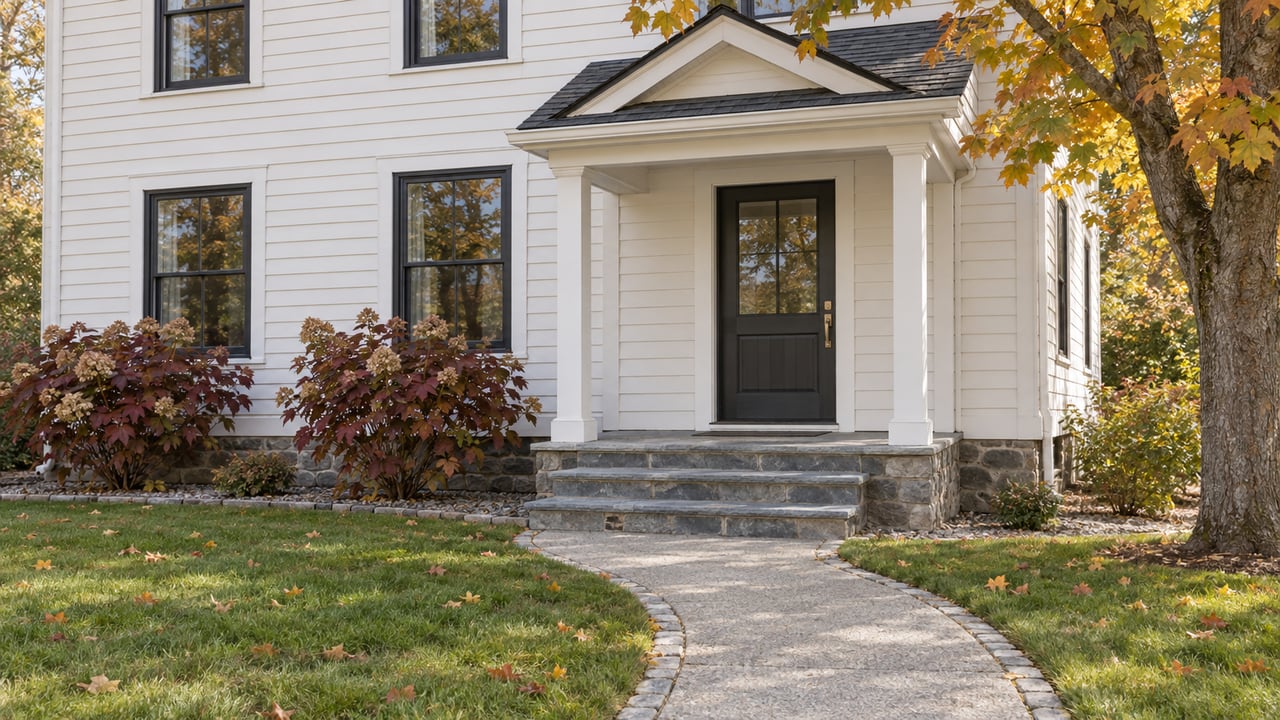
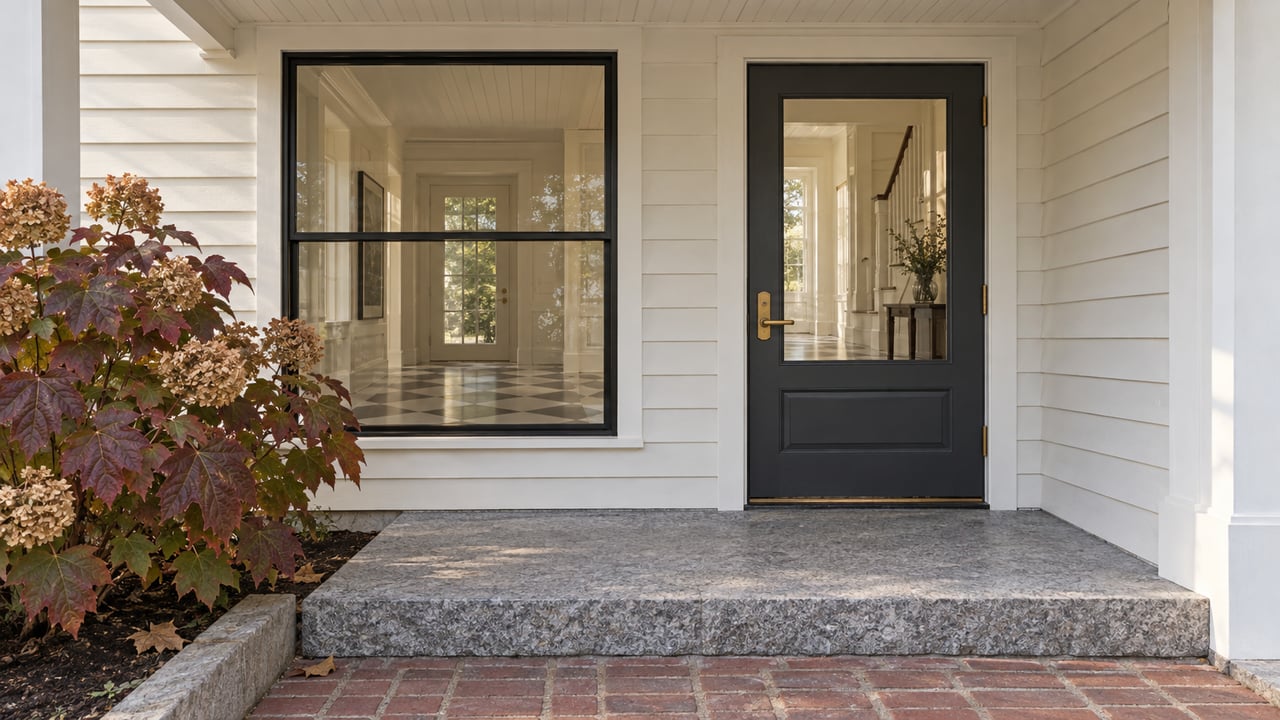
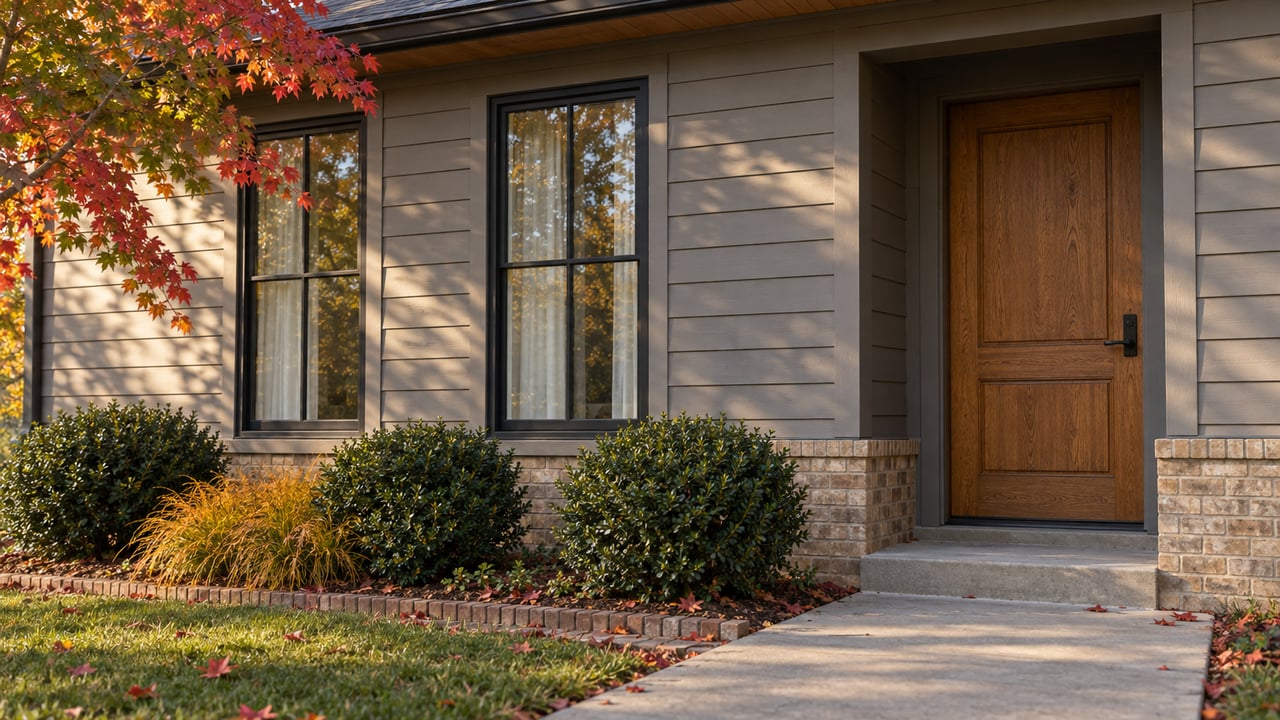
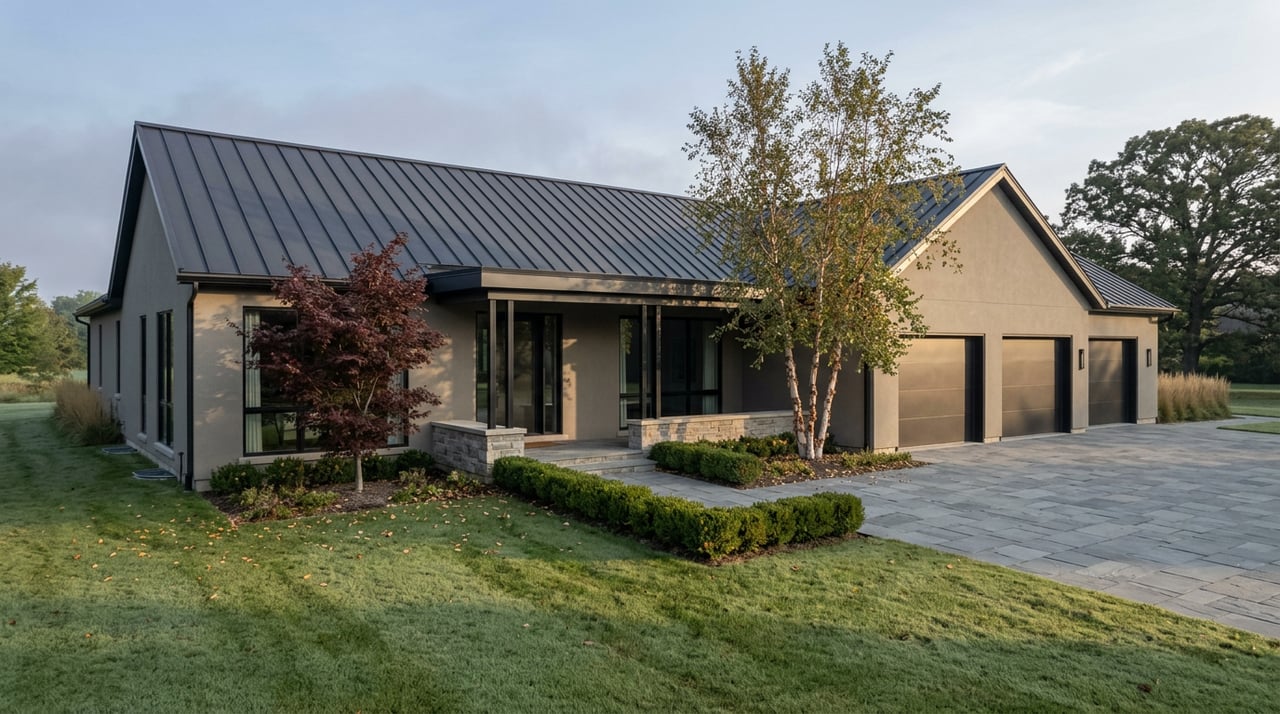
That mix supports what many buyers notice on the ground. In and around Tolland’s nature-oriented areas, homes are usually stand-alone houses on wooded lots rather than condos or apartment clusters.
Census QuickFacts reports a 90.7% owner-occupied rate and a median owner-occupied home value of $365,500 for 2020 through 2024. For many buyers, that points to a town where ownership remains the norm and neighborhood character is shaped by detached residential living.
Seasonal Lifestyle in Tolland’s Nature Areas
One of the best ways to evaluate these neighborhoods is to think season by season. Tolland’s outdoor appeal changes throughout the year, and knowing how can help you choose the right fit.
Spring Through Fall
At Shenipsit Lake, fishing begins on the second Saturday in April and continues through October 31. The year-round hiking trail remains a reliable amenity, so this is the season when the reservoir area feels most active.
Summer
Summer recreation in Tolland shifts more toward places like Heron Cove’s canoe and kayak launch and Crandall Pond swimming. Shenipsit Lake itself does not allow swimming or kayaking, so summer water activity is more limited there by design.
Winter
Winter does not shut down outdoor life completely. Heron Cove offers ice skating, while forest trails and conservation areas continue to support cold-weather walks and quiet scenery.
Why These Neighborhoods Appeal to Buyers
For many buyers, Tolland stands out because it feels more conservation-oriented and less development-heavy than a typical commuter suburb. The combination of protected open space, regulated reservoir recreation, and a housing stock dominated by detached homes creates a distinct experience.
If you are searching for a home where wooded surroundings are part of daily life, these neighborhoods deserve a closer look. They can be especially attractive if you value privacy, trail access, and a setting that feels rural-suburban rather than dense.
What Sellers Should Know About Positioning
If you own a home in one of Tolland’s lake- or forest-adjacent areas, the strongest marketing angle is usually the setting. Buyers are often drawn to the calm, the natural backdrop, and the access to trails and conservation land.
That means presentation matters. Clear photos, thoughtful staging, and pricing that reflects both the home and its location can help buyers understand why these properties feel different from homes in more conventional suburban subdivisions.
It also helps to describe the lifestyle accurately. In this part of Tolland, the draw is often quiet outdoor access and protected surroundings, not traditional waterfront recreation.
Whether you are buying your first home in Tolland, relocating within the region, or preparing to sell a wooded property, local context makes a real difference. For tailored guidance on Tolland neighborhoods and a full-service plan built around your goals, connect with Kathy Danais.
FAQs
What makes lake neighborhoods in Tolland different from typical waterfront communities?
- In Tolland, lake-adjacent areas near Shenipsit Lake are shaped more by reservoir rules, wooded views, and trail access than by beaches, docks, or broad shoreline recreation.
What recreation is allowed at Shenipsit Lake in Tolland?
- Shenipsit Lake offers year-round hiking and an April-through-October fishing program from designated shoreline areas and registered boats, but swimming, wading, kayaks, ice fishing, and motorized use are prohibited.
Where are the main forest-oriented areas in Tolland?
- Key nature-oriented areas include the northwest near Shenipsit Lake Road and Tolland Stage Road, the watershed belt around Eaton Road and Hunter Road, and the southeast near South River Road, Fox Ridge Lane, and the Willimantic River corridor.
What types of homes are common near Tolland’s lake and forest areas?
- Tolland’s housing stock is overwhelmingly single-family detached, so homes near these natural areas are typically stand-alone houses on wooded lots rather than dense multifamily developments.
Is the southeast side of Tolland also good for outdoor access?
- Yes, the southeast has a strong river-and-trail identity through the Willimantic River corridor, with connected trail areas and Heron Cove Park offering a canoe and kayak launch, river hiking path, and seasonal ice skating.
Why do buyers consider Tolland for a nature-focused lifestyle?
- Buyers often look at Tolland for its mix of protected open space, detached homes, conservation land, and outdoor access that creates a quieter, more rural-suburban feel.