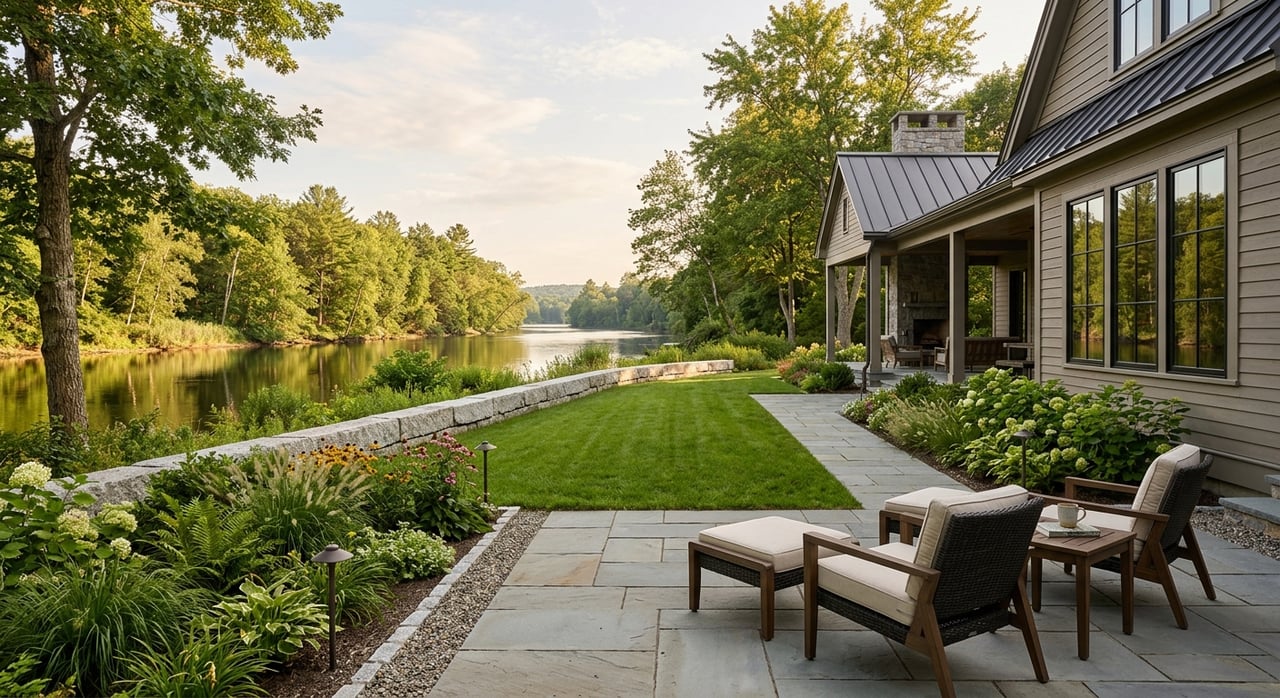
Looking for a Glastonbury neighborhood with a stronger connection to the Connecticut River? You may be picturing waterfront homes, but Glastonbury’s riverfront story is a little different. Here, the appeal often comes from historic village streets, open meadows, ferry landings, boating access, and nearby trails. If you want to understand which areas feel most connected to the river and how that shapes daily life, this guide will walk you through the key pockets to know. Let’s dive in.
Why the river feels different in Glastonbury
Glastonbury stretches along nine miles of the Connecticut River, but it does not read like one long strip of riverfront housing. Town planning materials point to the floodplain and Great Meadows as defining features, which means open space plays a major role in how the riverfront looks and feels.
That matters when you are choosing where to live. In many parts of town, the river experience is less about direct private frontage and more about scenery, access, recreation, and historic setting. For many buyers, that can be a real advantage because it creates a more preserved and distinctive character.
South Glastonbury offers the clearest river-village feel
If you want the strongest sense of living near the river in Glastonbury, South Glastonbury is the place most people notice first. Town design guidance describes it as a historic village center with residential, institutional, and small-scale commercial uses, and many of its buildings reflect colonial design elements.
National Register documentation adds to that picture, noting a mix of civic buildings, churches, stores, and residences, with many contributing structures dating to the 18th and 19th centuries. In practical terms, South Glastonbury feels established, walkable in key stretches, and closely tied to the town’s riverfront identity.
Main Street anchors village life
Main Street, also known as Route 17, is the spine of South Glastonbury. It is where the village pattern becomes most visible, and the town is adding sidewalks between the Old Cider Mill and Chestnut Hill Road to improve pedestrian access to the village center and nearby daily-use destinations.
That project says a lot about how this area functions. South Glastonbury is not just scenic. It also supports everyday routines with access to a grocery store, bakery, banks, churches, restaurants, and other retail uses identified by the town.
Water Street, Tryon Street, and Ferry Lane feel closest to the river
For buyers who want the strongest physical connection to the river corridor, Water Street, Tryon Street, and Ferry Lane stand out. These are part of the low-lying river area, and town history notes that flood events have affected Tryon Street, Ferry Lane, and the lower part of Main Street.
That does not make these streets less appealing, but it does shape the experience. The draw here is closeness to the river landscape, ferry access, and a setting that feels distinctly tied to the water.
High Street and nearby roads shift inland
Just a bit inland, streets like High Street, Hopewell Road, and Chestnut Hill Road offer a different version of South Glastonbury. You still get the village context, but the feel shifts away from the immediate river edge and more toward village-and-orchard surroundings.
This can be a strong fit if you want South Glastonbury character without being in the lowest-lying corridor. It also places you near destinations like the South Glastonbury Public Library and routes leading farther east toward recreation areas.
River access shapes daily life here
One reason South Glastonbury stands out is that riverfront living here is tied to daily patterns, not just views. The village has long served as a focal point for community activity, and the surrounding farms and orchards reinforce that identity.
The town’s Glastonbury Grown materials highlight several South Glastonbury farm stops, and the Old Cider Mill remains a recognizable local landmark. For many buyers, this creates a lifestyle that feels both historic and active, with the river as part of the backdrop.
Riverfront Park and Naubuc Avenue offer active access
If South Glastonbury is the historic river village, the west-side river corridor near Welles Street and Naubuc Avenue offers a more active, amenity-driven experience. This area is less about a classic village main street and more about convenience, recreation, and regional access.
Town design guidance describes the Naubuc Avenue and Pratt Street area as a mix of older residential properties, newer homes, and buildings that have been converted to commercial uses. That gives the area a more mixed-use and commuter-oriented feel than South Glastonbury.
Riverfront Park is a major draw
Riverfront Park at 300 Welles Street is one of the town’s strongest river-oriented amenities. It includes a boathouse, public boat launch, boat storage, walking trails, a dog park, and access to recreation programs.
Because it sits within walking distance of Main Street and the central business district, it offers a different kind of river lifestyle. You are not choosing this area for a secluded village setting. You are choosing it for easy access to activity and the water.
The community center adds convenience
The nearby Riverfront Community Center adds another layer to this part of town. Town information lists lunch service, a café, pickleball courts, senior programming, and a food pantry.
That combination can matter if you want a neighborhood where public amenities are part of the day-to-day experience. It gives this corridor a practical, connected feel.
Commuting and biking are part of the appeal
This corridor also matters for mobility. The Putnam Bridge Trail Connection opened in 2024, linking the shared-use path on the Putnam Bridge to Great Meadow Road in Wethersfield and Naubuc Avenue in Glastonbury.
For drivers, Route 3 continues to cross the Connecticut River via the Putnam Memorial Bridge, while Route 2 remains the town’s main regional arterial. That makes this side of the river corridor especially relevant if you want to balance recreation with commuting access.
Ferry Landing and the marina bring the river closer
Some of Glastonbury’s most recognizable riverfront experiences are found at the southern end of town. Ferry Landing at 300 Ferry Lane is a well-known local stop where residents watch boat traffic, fish, picnic, and access the ferry.
The Rocky Hill-Glastonbury Ferry operates seasonally from April 1 through November 30 for motorists, bicyclists, and pedestrians. Even if you do not use it every day, it adds a strong sense of place that is hard to duplicate elsewhere in town.
Glastonbury Marina adds a maritime feel
Glastonbury Marina at 684 Tryon Street gives the southern river corridor a more boating-centered identity. That makes this area feel more maritime than many inland Connecticut suburbs.
For buyers who enjoy watching river activity or being near boating access, this is one of the clearest examples of a neighborhood setting shaped by the river itself. In Glastonbury, that is relatively distinctive.
Inland water corridors are worth considering too
If your goal is to live near water, the Connecticut River is not the only option worth exploring. Glastonbury also has inland brook and pond corridors that create a strong nature-oriented feel in several parts of town.
These areas may be especially appealing if you want wooded surroundings and trail access more than direct river activity. They offer a different lifestyle, but still connect closely to the town’s outdoor identity.
Cotton Hollow and Roaring Brook area
Cotton Hollow Preserve on Hopewell Road protects 80 acres along Roaring Brook and is known for hiking, fishing, scenic views, and visible mill ruins. Shoddy Mill Preserve on Shoddy Mill Road also supports the greenbelt plan along Roaring Brook.
If you are drawn to trails, brooks, and a quieter setting, these inland corridors may feel just as compelling as the riverfront. They offer a more tucked-away atmosphere while still being part of Glastonbury’s larger open-space network.
Great Pond and Smith Brook preserves
Great Pond Preserve on Great Pond Road includes a 70-acre preserve centered on a 12-acre glacial drawdown pond. Hollister Preserve and Whitehouse Family Nature Preserve add a 74-acre open-space stretch along Smith Brook.
These settings support the town’s walk-in-the-woods identity. For many buyers, that may be the better fit if they want water nearby without focusing on the Connecticut River corridor.
What buyers should keep in mind
The best Glastonbury neighborhood near the river depends on what you mean by “near the river.” If you want historic character and a village setting, South Glastonbury usually stands out first. If you want public access, recreation, and easier commuting connections, the Welles Street and Naubuc Avenue corridor deserves a close look.
It also helps to remember that the river edge is shaped by floodplain and preserved meadows. In Glastonbury, the value often comes from access, views, and open space rather than dense waterfront development.
Here is a simple way to think about it:
- South Glastonbury: Best for historic village character and a strong sense of river identity
- Water Street, Tryon Street, Ferry Lane: Best for feeling closest to the low-lying river corridor and ferry access
- Naubuc Avenue and Welles Street area: Best for river amenities, boating access, trails, and commuting convenience
- Hopewell Road and inland preserve areas: Best for wooded surroundings, trails, and water-oriented recreation away from the main river edge
How to narrow down your search
When you tour Glastonbury, try to compare these areas based on how you actually want to live. Think about whether you want a village setting, access to parks and boating, or a quieter preserve-oriented environment.
It is also smart to pay attention to how each pocket connects to your routine. In Glastonbury, two neighborhoods can both be “near the river” but offer very different day-to-day experiences.
If you want help comparing South Glastonbury, the Naubuc corridor, or other nearby parts of town, working with a local team can make that process much easier. You can get neighborhood-level guidance, a practical buying strategy, and if you are selling first, a clear plan for timing, pricing, and presentation. When you are ready to take the next step, reach out to Kathy Danais for a free home valuation and selling plan.
FAQs
Which Glastonbury area feels most like a river village?
- South Glastonbury is the town’s clearest historic river village, with a village center, older homes, and streets closely tied to the river corridor.
Which streets in South Glastonbury feel closest to the Connecticut River?
- Water Street, Tryon Street, and Ferry Lane are the streets most closely associated with the low-lying river corridor in South Glastonbury.
What makes the Naubuc Avenue area different from South Glastonbury?
- The Naubuc Avenue and Pratt Street area feels more mixed-use and commuter-oriented, with river amenities like Riverfront Park and access to regional routes and trails.
Does Glastonbury have many private waterfront neighborhoods?
- The river edge is shaped by floodplain and meadows, so Glastonbury is known more for scenery, access, and open space than for continuous private waterfront development.
Are there water-oriented neighborhoods in Glastonbury away from the Connecticut River?
- Yes. Inland areas near Roaring Brook, Great Pond, and Smith Brook offer preserves, trails, and nature-focused surroundings for buyers who want to be near water without being on the main river corridor.