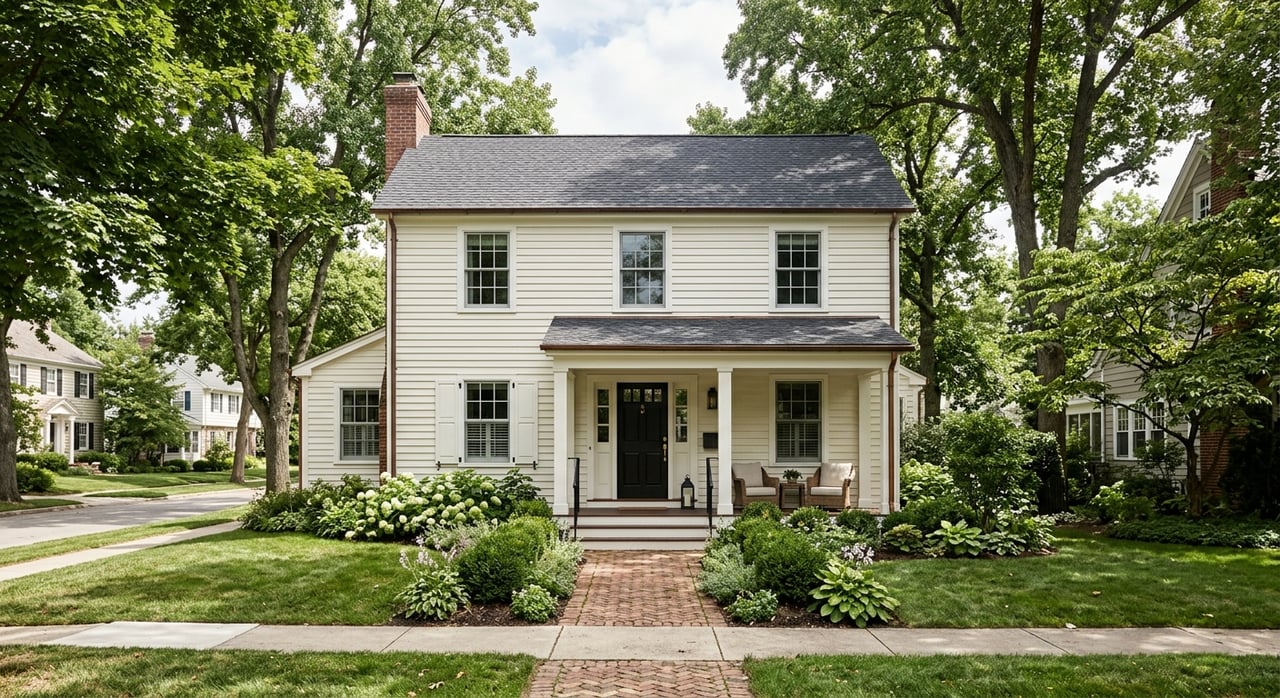
Choosing between Old Wethersfield and Wethersfield’s newer neighborhoods is not just about age. It is about how you want to live day to day, what kind of home projects you may take on, and how much value you place on walkability, architectural character, and renovation flexibility. If you are trying to decide which setting fits your goals, this guide will help you compare the tradeoffs with more confidence. Let’s dive in.
What Old Wethersfield and Newer Neighborhoods Mean
In Wethersfield, Old Wethersfield refers to the historic district and village core. The town describes it as the largest historic district in Connecticut, with more than 150 structures built before 1850, and its preservation rules are designed to protect the area’s distinct architectural character.
Newer neighborhoods, by contrast, are the later residential areas outside the historic core. These sections were shaped more by 20th-century zoning and subdivision standards, which helps explain why they tend to feel more like planned suburban streets than a historic village pattern.
That said, “newer” in Wethersfield does not always mean recently built. The town’s housing data show that owner-occupied homes are heavily weighted toward older and mid-century housing, with 56.7% of ownership structures built in 1959 or earlier, 26.1% built from 1960 to 1979, 13.1% built from 1980 to 1999, and 4.1% built in 2000 or later.
Architecture Feels Very Different
Old Wethersfield offers layered character
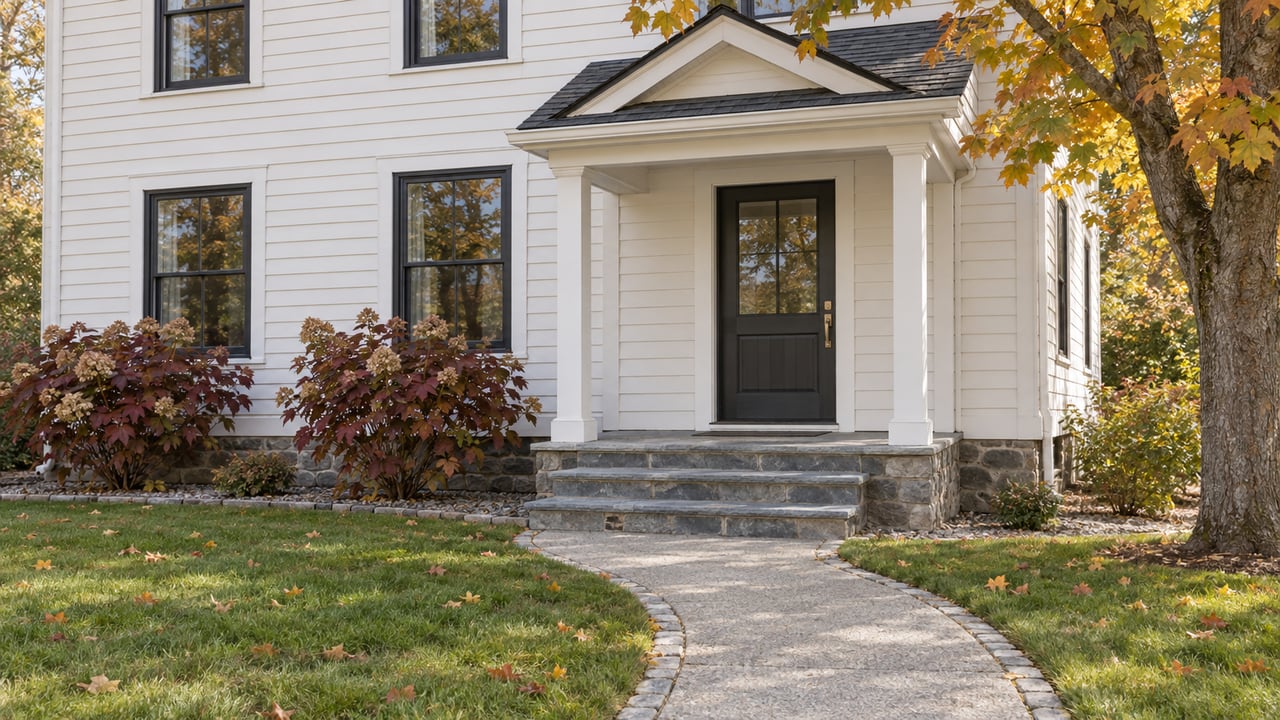
If you love homes with visible history, Old Wethersfield stands apart. The town’s preservation plan describes a broad architectural mix that includes colonial-era homes, Georgian and Federal styles, and later Greek Revival, Italianate, Carpenter Gothic, and early-20th-century revival buildings.
That variety gives the area a layered look you do not usually get in later subdivisions. Instead of repeating one or two home styles on a street, you are more likely to see houses that reflect different building eras and design priorities.
Newer neighborhoods feel more uniform
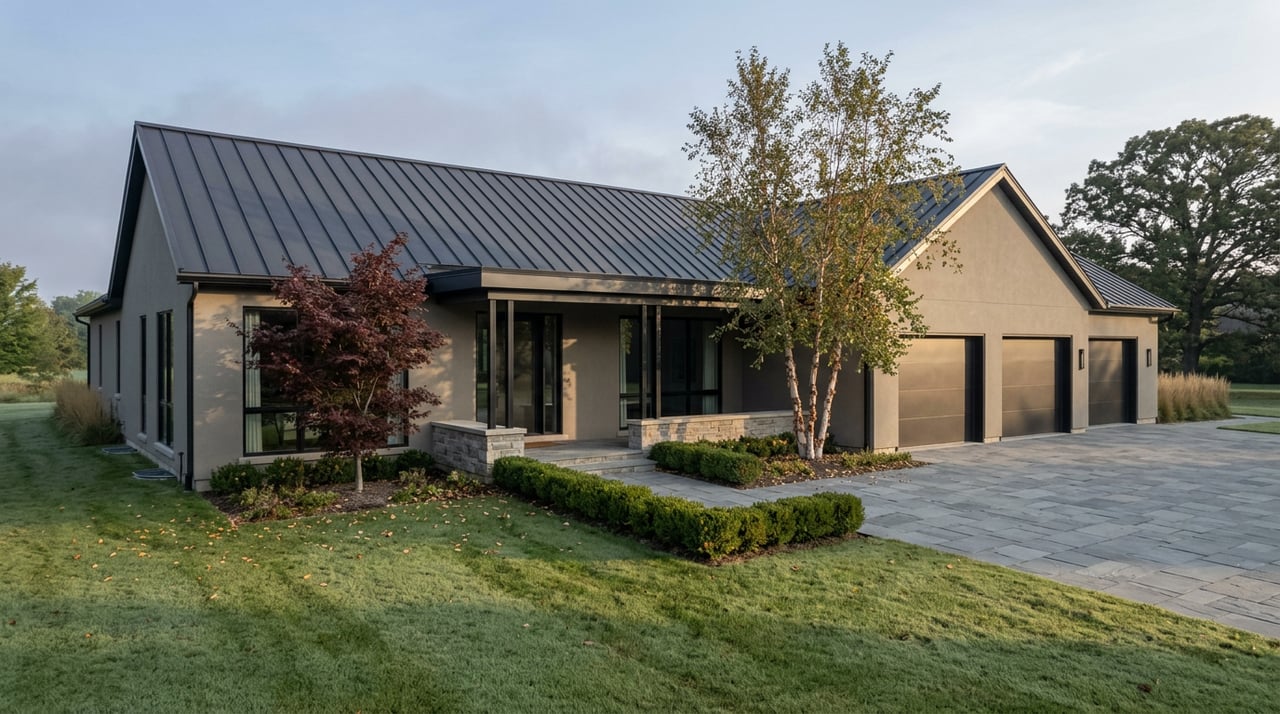
Wethersfield’s later residential areas generally follow a more standardized suburban pattern. Based on the town’s subdivision regulations, newer streets typically include more regular lot shapes, clearer frontage patterns, underground utilities, and a more planned street hierarchy.
This does not make them better or worse. It simply means the visual experience is often more predictable, with streets and lots that feel organized in a way many buyers find familiar and practical.
Street Layout and Lot Patterns Matter
Old Wethersfield grew over time
Part of Old Wethersfield’s appeal comes from how it developed. The town’s historic district plan explains that many smaller streets were laid out and subdivided from larger town lots and farms, and many earlier village properties included generous open space behind the house.
That history helps explain why the area can feel less uniform and more organic. Streets may not read like a modern subdivision map, and lots can vary in shape, depth, and orientation.
Newer neighborhoods reflect subdivision rules
Later neighborhoods were shaped by subdivision regulations that formalized how streets and lots should be built. The town requires features such as underground utilities and stormwater provisions, and many subdivision streets are expected to include sidewalks, though some shorter dead-end streets do not have to.
This often translates into cul-de-sacs, clearer lot boundaries, and a more conventional suburban layout. If you want a neighborhood that feels easy to read and easy to navigate by car, that setup may be appealing.
Walkability Is One of the Biggest Differences
Old Wethersfield is stronger for a village lifestyle
If you want to walk to local destinations, Old Wethersfield is the clearest fit. The town’s shopkeepers guide says the historic district includes shops, restaurants, museums, and inns, giving the area a true village-center feel.
The Wethersfield Heritage Way also runs through Wethersfield Cove, through the heart of Old Wethersfield, and along the west bank of the Connecticut River. For buyers who picture walks, bike rides, or easy access to town amenities, that concentration of destinations is a major advantage.
Newer neighborhoods are more residential by design
The newer residential sections are primarily built around housing rather than a clustered mix of shops, museums, and waterfront amenities. If your priority is being able to run errands, reach trails, or enjoy riverfront access on foot, Old Wethersfield is generally the stronger match.
If you are more focused on a residential setting with a standard neighborhood pattern, the newer areas may align better with your daily routine. A lot comes down to whether you want your neighborhood to function more like a village or more like a suburban home base.
Riverfront Access Is Part of the Old Wethersfield Draw
Old Wethersfield also stands out for access to Wethersfield Cove and the Connecticut River. Cove Park includes 110.6 acres, a boat launch, and access to the river, while the town describes Wethersfield Cove as a prime boating and fishing resource.
For some buyers, that nearby access adds a lot to the lifestyle equation. Even if you are not boating every weekend, being close to cove views, trails, and open space can shape how a neighborhood feels.
Maintenance and Ownership Experience Differ
Old Wethersfield adds a preservation layer
The biggest tradeoff in Old Wethersfield is not only that homes are older. It is also that visible exterior work may involve historic district review.
The town states that any physical exterior alteration visible from a public way, along with new construction or demolition, requires a Certificate of Appropriateness. Ordinary maintenance that does not change the design, materials, scale, or outward appearance does not require that approval.
In practical terms, that means projects like windows, siding, fencing, additions, or other visible exterior changes may require more planning. The Historic District Commission also encourages repair over replacement and asks owners to match traditional materials and visual details when work is necessary.
Newer neighborhoods are often simpler to update
In the newer neighborhoods, the ownership conversation is usually less about preservation approval and more about standard updating. Wethersfield’s planning document notes that many homes from the 1950s and 1960s were designed for different lifestyle expectations, and it discusses common adaptations such as larger kitchens, more bathrooms, first-floor primary suites, added storage, and attached garages.
That makes these neighborhoods appealing if you want to modernize a home without also navigating historic compatibility questions. You still need to plan and budget carefully, but the decision-making is often more straightforward.
Which Option Fits Your Goals?
Old Wethersfield may fit you best if you want:
- Distinct historic architecture
- A more walkable village setting
- Easier access to shops, museums, trails, and the cove area
- A neighborhood with layered streetscapes and lot patterns
- A homeownership experience centered on character and place
Newer neighborhoods may fit you best if you want:
- A more conventional suburban layout
- More predictable lot shapes and street patterns
- Fewer preservation-related approval layers
- Flexibility to update spaces for modern living
- A residential setting focused more on practicality than historic oversight
A Quick Way to Decide
If you are torn between the two, ask yourself one simple question: Do you want your home to deliver village character or suburban ease? That question gets to the heart of the decision.
Old Wethersfield offers a historic, walkable environment with strong architectural personality and river-oriented amenities nearby. Newer neighborhoods offer suburban practicality, more standardized layouts, and an ownership experience that is usually easier to adapt over time.
Neither choice is universally better. The right fit depends on how you want to live, what kind of home projects you are comfortable taking on, and which tradeoffs feel worth it to you.
If you are comparing homes in Wethersfield and want help weighing neighborhood feel, resale considerations, and what each option means for your move, Kathy Danais can help you sort through the details and build a plan that fits your goals.
FAQs
What is the difference between Old Wethersfield and newer neighborhoods in Wethersfield?
- Old Wethersfield is the town’s historic district and village core, while newer neighborhoods are later residential areas outside that district that were shaped more by 20th-century zoning and subdivision standards.
Is Old Wethersfield more walkable than newer neighborhoods in Wethersfield?
- Yes. Old Wethersfield has a stronger concentration of shops, restaurants, museums, inns, trail connections, and access to Wethersfield Cove and the Connecticut River area.
Do homes in Old Wethersfield require approval for exterior changes?
- Yes, many visible exterior changes, along with new construction or demolition, require a Certificate of Appropriateness if they are visible from a public way.
Are newer neighborhoods in Wethersfield made up of brand-new homes?
- Usually not. Town housing data show much of Wethersfield’s owner-occupied housing was built before 1980, so many “newer” neighborhoods are mid-century or later rather than newly built.
Which Wethersfield area is easier to update for modern living?
- Newer neighborhoods are often easier to update because the process is usually centered on standard renovation decisions rather than historic preservation review.
Is Old Wethersfield a good fit if you want river access in Wethersfield?
- It can be. The area is closely tied to Wethersfield Cove, Cove Park, the Heritage Way, and access to the Connecticut River, which makes it a strong option for buyers who value those amenities.