Wish you could grab coffee, run errands, and meet friends without getting in the car? If you are eyeing West Hartford, you have great options where daily life fits into a comfortable walk. You want the right block, the right home style, and clear expectations on price and inspections. This guide shows you what “walkable” really looks like here, where to focus your search, what trade-offs to expect, and how to buy with confidence. Let’s dive in.
What walkable means here
In West Hartford, walkable usually means you can reach daily needs within a 5 to 15 minute stroll on continuous sidewalks with safe crossings. You should see a mix of grocery, coffee, restaurants, pharmacy, and parks. Walk Score summarizes this idea by weighting proximity to destinations and pedestrian design into a 0 to 100 index. You can use it as a quick signal when comparing addresses. Academic research on Walk Score’s method explains how it reflects real-world walking.
On the ground, look for simple clues: sidewalks on both sides of the street, marked crosswalks and curb ramps, short blocks, street trees and benches, and storefronts with homes or offices above. Town projects that widen sidewalks, add raised crosswalks, and install street furniture are hints that a place is built for people on foot. These features make a short walk feel safe and convenient.
Where walkability clusters
West Hartford Center and Blue Back Square
This is the heart of the town’s walkable lifestyle. You will find shopping, restaurants, events, the library, and a movie theater in one compact area. The Town highlights Blue Back Square and continues to upgrade sidewalks and crossings to support a pedestrian-first main-street feel. Explore the town’s overview of Blue Back Square and Center to see what draws buyers to this core.
Nearby streets and parks
Blocks surrounding the Center tend to be leafy and compact, with sidewalks and short connections to parks like Elizabeth Park. Walk Score identifies ZIP codes 06107, 06110, and 06119 as the most walkable parts of West Hartford. Use the Walk Score page for West Hartford to compare addresses and see specific nearby amenities.
Farmington, LaSalle, and Memorial
Farmington Avenue, LaSalle Road, and Memorial Road form the classic main-street corridor. You will notice short storefronts, on-street parking, frequent crosswalks, and street trees. Town updates aim to preserve that small-scale, walkable character while improving the pedestrian experience.
Homes you will find
Single-family classics near the Center
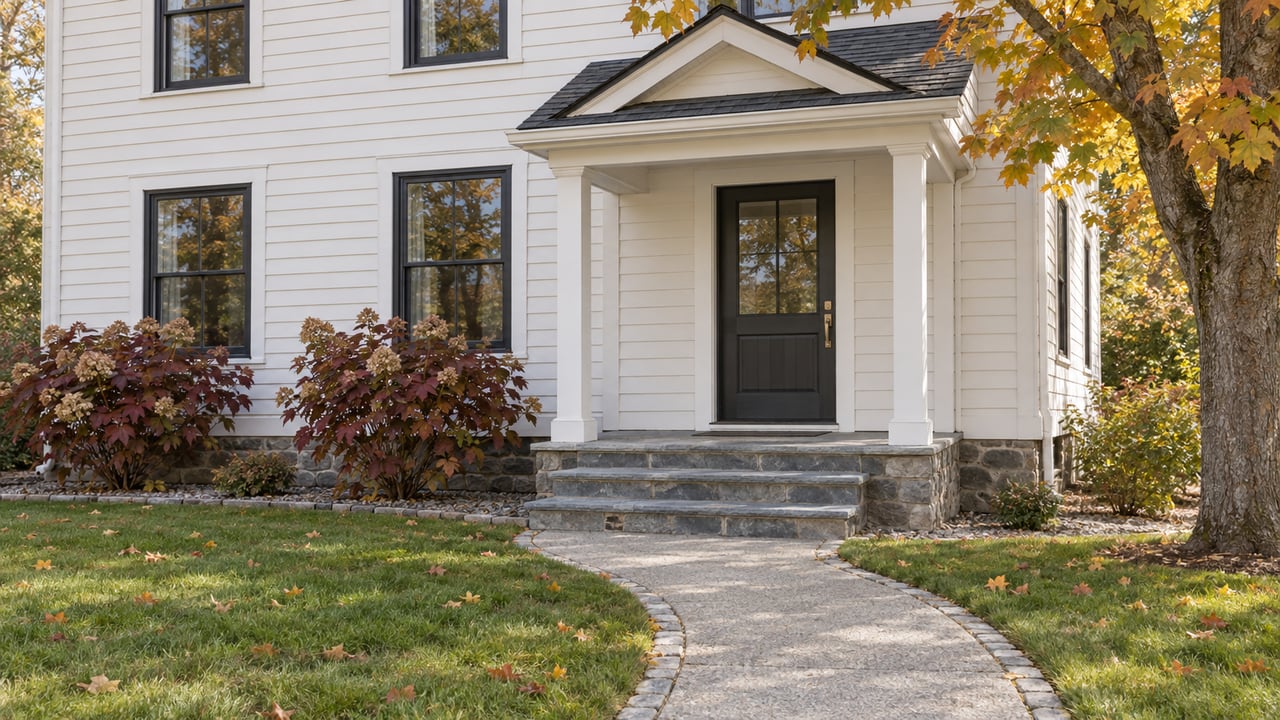
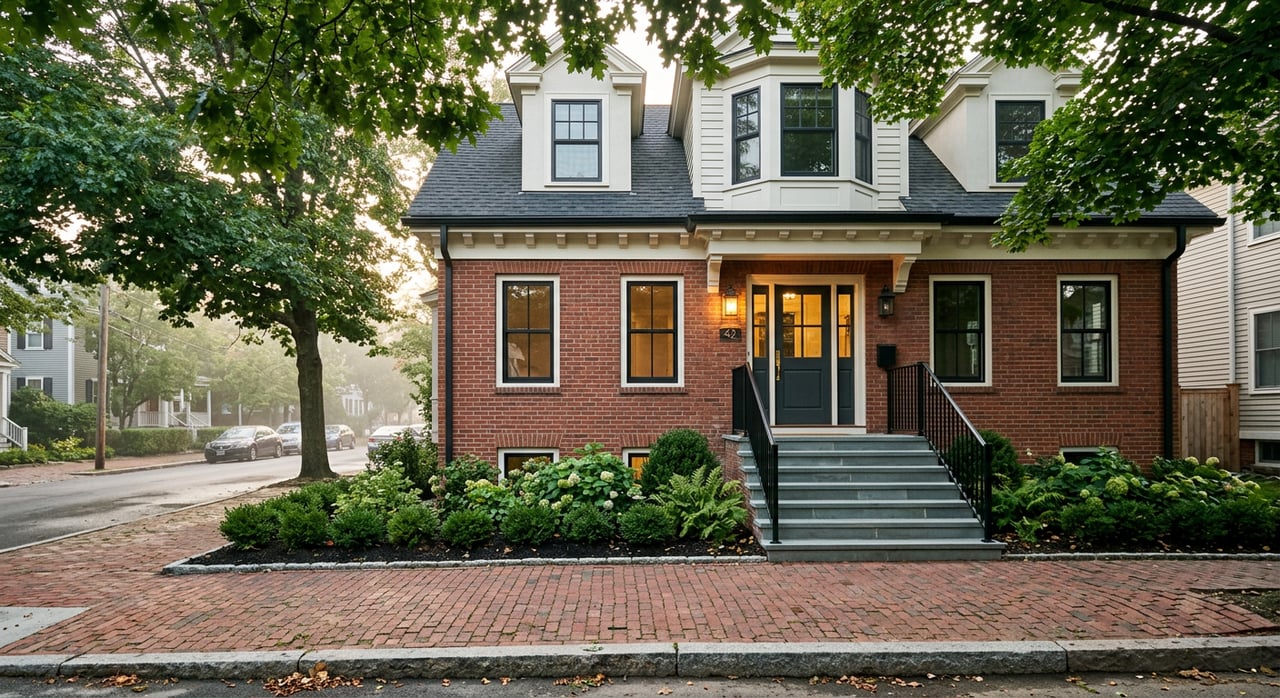
Many homes within a short walk of the Center and parks are early- to mid-20th-century. You will see Colonial Revival, Tudor, Bungalow, and Cape styles on modest lots. These streets grew up around trolley lines and early auto travel, which is why the blocks feel connected and human-scale. Local history sources document how this pattern shaped today’s walkable neighborhoods around the Center and Elizabeth Park. For a flavor of the area’s eras and styles, browse this West Hartford history resource.
Condos, lofts, and mixed-use
If you want maximum convenience, newer condos and loft-style apartments sit right in Blue Back Square and along Farmington Avenue. Mixed-use buildings place retail at street level with homes above, which keeps daily needs close. These homes can be lower maintenance and more car-optional, with quick access to dining and events.
What walkability costs
Walkability tends to carry a premium in many U.S. metros. National studies that examine Walk Score and sale prices show that buyers often pay more for a home that lets them walk to daily needs. One well-known analysis found that each additional Walk Score point was associated with thousands of dollars in added value on average. The exact premium varies by market and even by block.
Locally, you see a similar pattern. Central, walkable ZIPs near the Center, especially 06107, often trade above broader town averages. Why? Smaller lots close to shops, older but charming housing stock, and condo or loft options near Blue Back Square all attract strong buyer demand. Use recent, block-level comps rather than townwide numbers when you set your budget. A good rule of thumb is to compare similar homes on either side of the Center to see how proximity affects price.
Trade-offs to weigh
You gain time and lifestyle benefits when you can do errands on foot. You also accept a few common trade-offs in walkable pockets:
- Smaller yards and less private outdoor space.
- Older interiors that may have cozier kitchens, fewer large storage areas, or dated systems.
- More on-street parking and potential for busier weekend foot traffic near dining corridors.
- Garage or structured parking for some condos, which can add fees.
The town manages public garages and tools for Center and Blue Back Square parking. Read local reporting for context on how West Hartford Center and Blue Back parking works so you know what to expect when comparing homes.
Inspection checklist for older walkable homes
Older homes near the Center are often well cared for, but they deserve focused due diligence. Build this list into your offer plan and timelines.
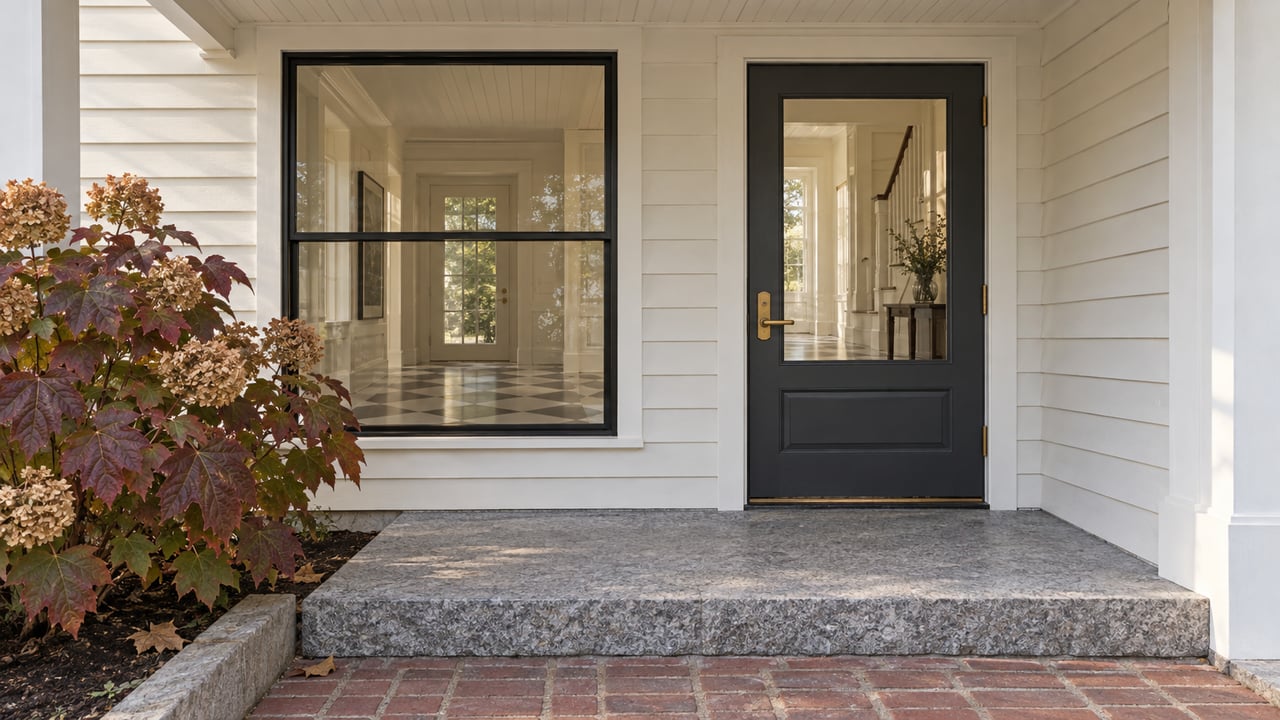
- Foundation and basement moisture. Early concrete or fieldstone foundations can show mortar wear, efflorescence, or seepage. Check grading and roof drainage and have a qualified inspector review structure and moisture.
- Roof and attic. Ask about the age of shingles, flashing around chimneys and valleys, and attic ventilation to reduce ice dams in winter.
- Chimney and fireplace. Many older homes use masonry flues. Schedule a chimney sweep or level 2 inspection if you intend to use the fireplace to confirm safety and identify repairs.
- Electrical. Pre-1950s homes may have knob-and-tube or cloth-insulated wiring and undersized panels. This can affect insurance and upgrade costs. A licensed electrician should evaluate any visible older wiring or fused panels. Review a home inspector’s perspective on legacy wiring and panel issues from a local provider’s inspection FAQ.
- Plumbing and drains. Galvanized or cast-iron pipes can reduce pressure and lead to clogs or corrosion. A sewer-scope is common on older homes to evaluate the lateral. If polybutylene is present, plan for replacement.
- Heating fuel and oil tanks. Many older New England homes once used oil. Ask about any underground tanks, permits, or conversions.
- Environmental hazards. Lead-based paint is possible in homes built before 1978, and asbestos can appear in certain older materials. Review your rights and safe-work guidance in this overview of laws and protections for environmental hazards. Follow federal disclosure and renovation rules.
- Radon. Connecticut encourages testing, and the West Hartford–Bloomfield health district has distributed free short-term kits in past seasons. See local coverage of free radon test kits in the area, and consult the CT Department of Public Health radon guidance for mitigation steps and typical cost ranges.
Specialist checks that often make sense:
- Sewer-scope for older laterals.
- Radon test and, if elevated, professionally designed mitigation.
- Lead risk assessment or targeted testing for pre-1978 homes.
- Chimney inspection if you see deterioration or plan to use the fireplace.
- Licensed electrician evaluation for legacy wiring or outdated panels.
Budget planning tips:
- Expect to update systems over time. Electrical panels, repiping, and boiler or HVAC replacements are common long-horizon projects.
- Radon mitigation and targeted lead work often land in the low to mid-thousands for typical single-family homes. Sewer lateral repairs or full repipes can be more significant and may reach five figures.
- Use inspection findings to negotiate seller credits, price adjustments, or repairs with clear timelines and contractor requirements.
How to shop smart
Use this simple plan to find the right fit.
Confirm daily destinations. Pull up the Walk Score page for West Hartford and enter the exact address. Check walking times to grocery, coffee, pharmacy, and parks. Save the amenity list for your shortlist.
Walk the block at different times. Morning and evening walks reveal real traffic, lighting, and foot activity. Look for continuous sidewalks, curb ramps, marked crossings, benches, and on-street parking patterns.
Test your routine. From the home, time your walk to a few key spots you plan to visit each week. Try a Saturday lunch and a weekday errand to gauge convenience.
Compare like with like. When pricing, match homes by age, lot size, and condition on either side of the Center. Expect central blocks to carry a premium, and use recent sales within a half mile.
Plan inspections early. Line up a home inspector, radon test, chimney pro, and, if older stock, a sewer-scope. Build contingencies and realistic repair budgets into your offer.
Is walkability worth it?
If you will walk several times a week for errands, dining, and park time, the lifestyle benefits are real. You may also drive less, trim some vehicle costs, and save time. Buyers who value convenience over lot size often find the premium pays them back in daily quality of life.
For resale, demand for central, walkable blocks has stayed resilient as more buyers prefer access and experience over square footage. When you keep your home well maintained and updated, proximity to the Center can help attract broad interest when you sell.
Your next step
If you are weighing Blue Back Square, the Center, or nearby streets, you deserve clear, local advice. Our team helps you compare blocks, price precisely with zip-level comps, and navigate older-home inspections with confidence. When you are ready to tour with a smart plan, connect with Kathy Danais for local guidance that fits your goals.
FAQs
Which West Hartford areas are most walkable?
- West Hartford Center and Blue Back Square, along with nearby blocks in ZIPs 06107, 06110, and 06119, offer the highest concentration of shops, dining, and parks within short walks. Use the Walk Score town page to compare specific addresses.
What features signal a truly walkable block?
- Look for continuous sidewalks, marked crosswalks, curb ramps, short blocks, street trees, benches, storefronts mixed with homes or offices, and town projects like widened sidewalks and raised crossings, as outlined in research on pedestrian design.
What home types are near the Center?
- You will find early-20th-century single-family homes in Colonial, Tudor, Bungalow, and Cape styles, plus condos and loft-style options in mixed-use buildings near Blue Back Square. See a local history overview of styles here.
How much more will I pay for walkability?
- National studies show a measurable premium for higher Walk Scores, though the amount varies by market. In West Hartford, central ZIPs often trade above townwide averages, so compare recent block-level comps for the clearest picture.
What inspections should I prioritize for older walkable homes?
- Plan for a full home inspection plus radon testing, a sewer-scope for older laterals, a chimney inspection if applicable, and an electrical evaluation for legacy wiring. Review the CT DPH radon program and this overview of environmental hazard rules to prepare.