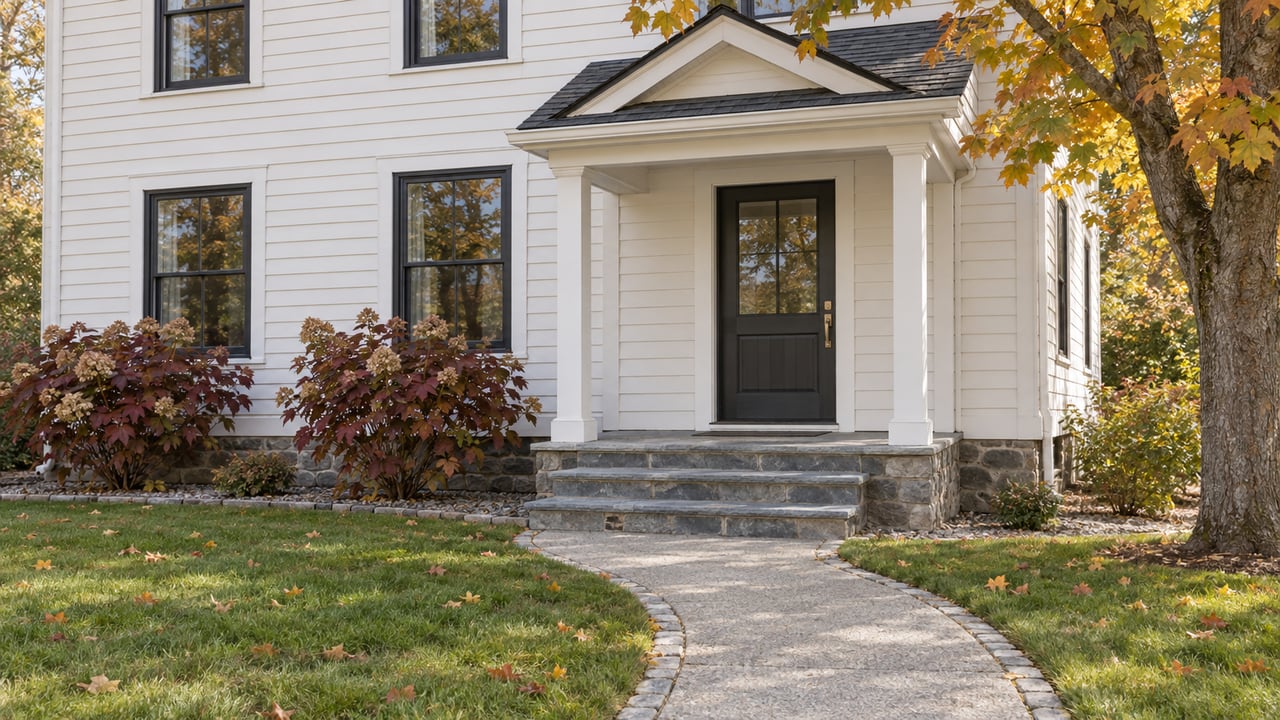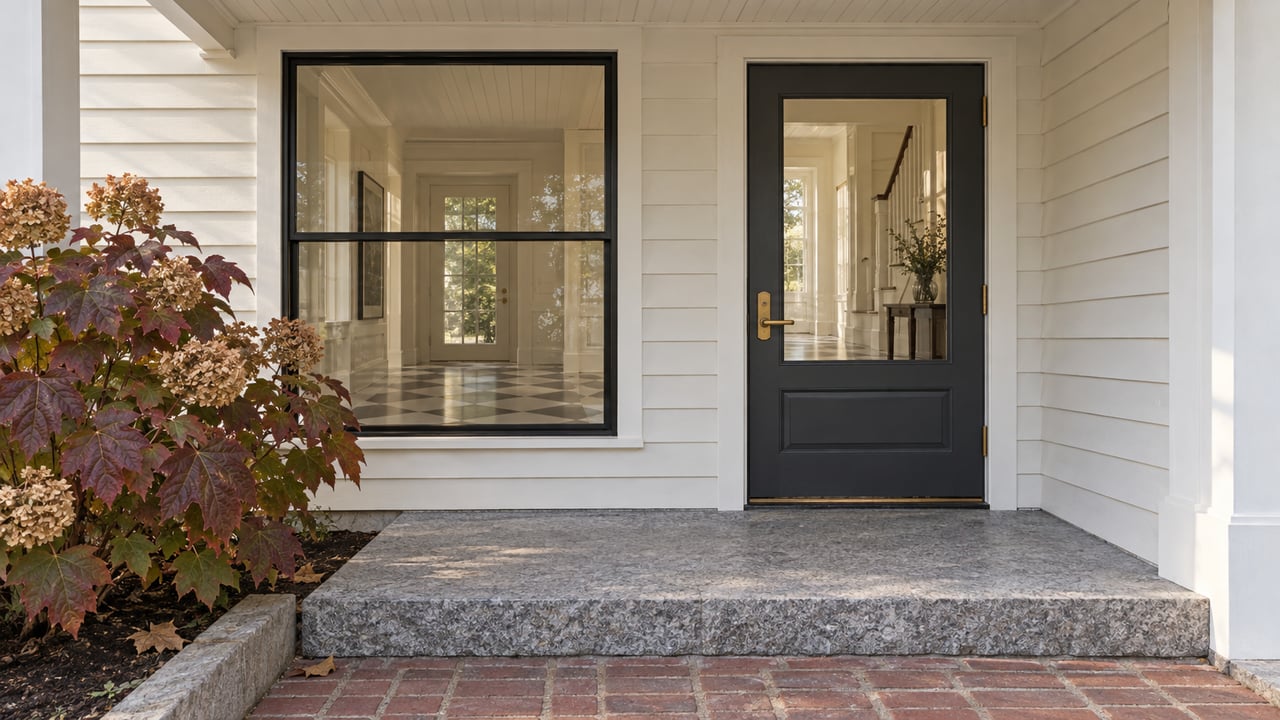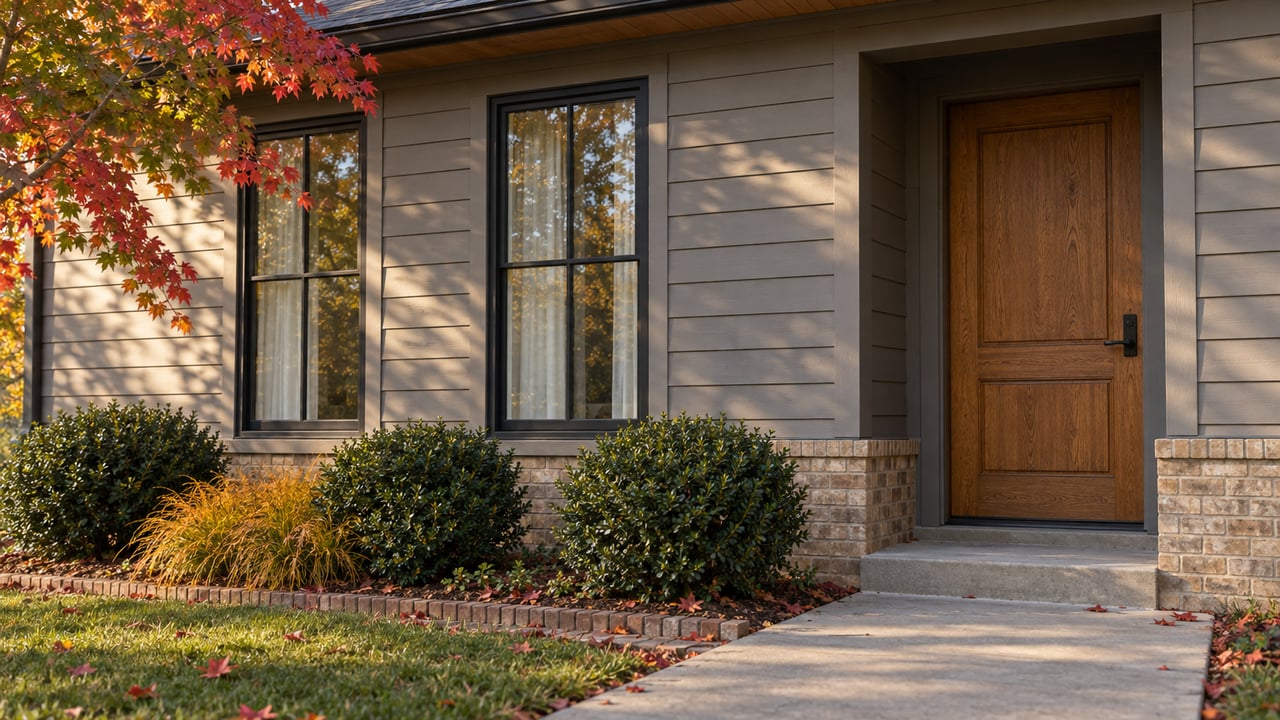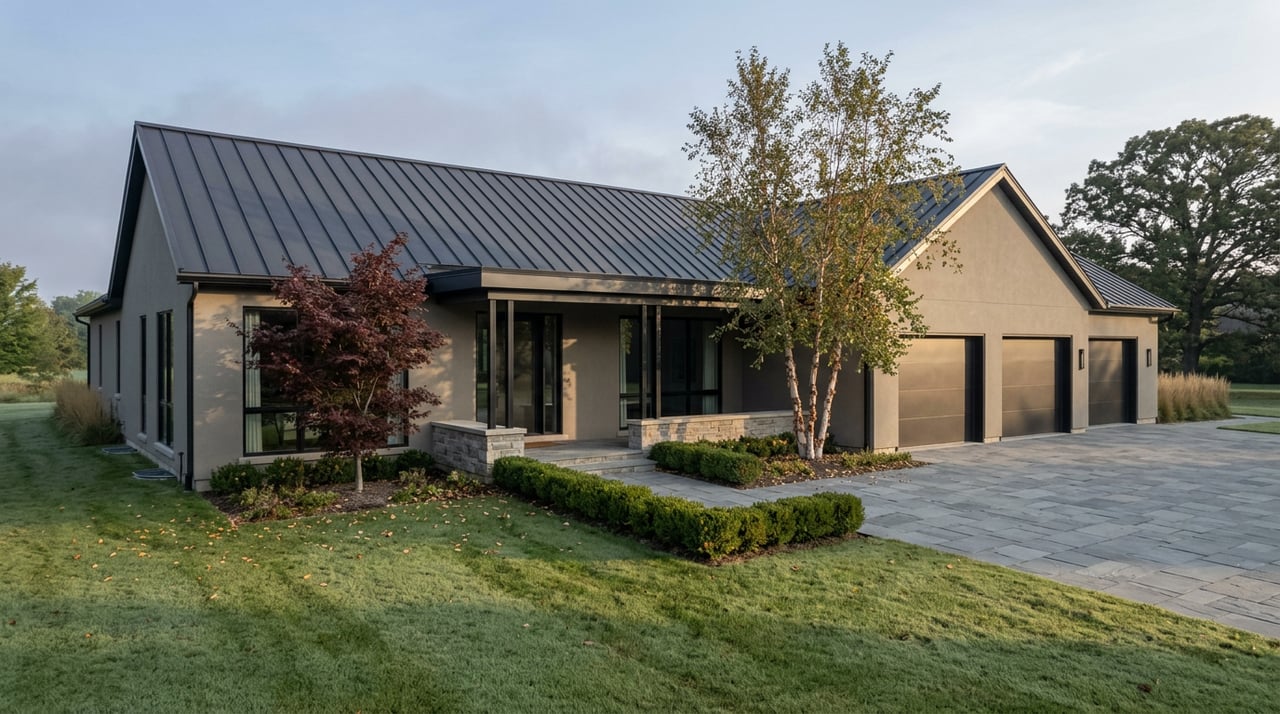
Trying to choose between Manchester and South Windsor for your next home? If both towns are on your shortlist, you are not alone. They sit close to each other, share access to major highways, and appeal to many buyers heading into the Hartford area. The right fit usually comes down to your budget, the kind of home you want, and what you want everyday life to feel like. Let’s dive in.
Manchester vs South Windsor at a Glance
If you want a quick snapshot, Manchester often appeals to buyers looking for a lower entry price, more housing variety, and older homes with character. South Windsor often draws buyers who want a more suburban setting, a higher share of detached single-family homes, and newer housing options.
The numbers help show that difference. Manchester’s median owner-occupied home value is $247,100, while South Windsor’s is $375,100. Manchester also has a lower owner-occupied rate at 56.9%, compared with 84.9% in South Windsor.
Average commute times are very similar, so this is usually not a decision based on commute alone. In most cases, your choice comes down to housing style, age, and daily routine.
Home Prices and Budget
For many buyers, budget is the first filter. Based on Census data, Manchester offers a lower median owner-occupied home value than South Windsor, which can make it a practical starting point if you want to keep your purchase price lower.
That lower entry point can also give you more flexibility. You may be able to consider a larger range of homes, including older single-family properties, condos, duplexes, and small multifamily options depending on your goals.
South Windsor sits at a higher price point. If you are shopping there, you are often paying for a housing stock that is more owner-occupied, more suburban in pattern, and more heavily weighted toward detached single-family homes.
Housing Types and Home Style
Manchester housing options
Manchester has one of the more varied housing mixes in the area. Town planning documents describe compact older neighborhoods with single-family homes, duplexes, four-family properties, apartments, and condos, along with postwar neighborhoods and later single-family development in areas such as south of I-384 and Buckland Hills.
That variety can be a real advantage if you do not want a one-size-fits-all market. You may find historic homes, older capes, colonials, and properties with renovation potential that are harder to find in more uniform suburban towns.
Manchester’s housing stock also skews older. Town reports say nearly 70% of housing units were built before 1980, and only 9.3% were built in this century.
South Windsor housing options
South Windsor is more consistently suburban in its housing profile. Town planning materials say about 71% of the housing stock is detached single-family, with another 10% attached single-family, and about 85% of homes are owner-occupied.
If you picture a traditional suburban home search, South Windsor may feel more aligned with that goal. The town also has a meaningful share of newer housing, with 49.4% of the stock built since 1980.
South Windsor homes also tend to be larger. One town study reports a median of 6.6 rooms per housing unit, with 52.8% of units having seven or more rooms and 71.3% having three or more bedrooms.
Home Age and Condition
What to expect in Manchester
Because Manchester has an older housing stock, many homes may come with updates already completed or projects still to tackle. That does not mean every property needs major work, but it does mean buyers should expect more variation in systems, finishes, and maintenance history.
Town planning materials also note housing rehabilitation efforts tied to issues such as lead paint and property maintenance. For some buyers, that creates opportunity. If you are open to cosmetic updates or longer-term improvements, Manchester may offer more room to add value over time.
What to expect in South Windsor
South Windsor’s newer overall housing mix can mean fewer age-related surprises in some parts of town. Since nearly half the housing stock was built after 1980, buyers looking for a more current layout or a home that feels newer may want to start here.
That said, South Windsor is not only newer subdivisions. The town also has historic homes and older architectural styles, including Colonial Revival, Cape Cod Cottage, Dutch Colonial Revival, Ranch, Minimal Traditional, and Contemporary Modern forms.
Commute and Transportation
Manchester and South Windsor both benefit from strong regional access. Manchester highlights direct access to I-84, I-384, and I-291, along with CTtransit options and proximity to Hartford Union Station and Bradley International Airport within about a 30-minute drive.
South Windsor emphasizes access to I-91, I-84, I-291, and I-384. The town places Hartford about 8 miles from Town Hall, which helps explain why many buyers consider both communities when they want to stay close to the city without living in it.
Both towns also offer transportation support for certain residents through local programs. One thing to keep in mind is that the Buckland area can see heavy through-traffic, according to a regional transportation study covering the Manchester and South Windsor retail corridor.
Daily Lifestyle and Amenities
Manchester lifestyle
Manchester offers a more layered mix of outdoor recreation and town-center activity. The town has over 25 park and recreation sites, and its trail network connects to the East Coast Greenway.
If outdoor access matters to you, Manchester gives you several standout options. The Hockanum River Linear Park includes about 15 miles of trails, Case Mountain offers 640 acres for hiking and mountain biking, and Northwest Park includes a pond, observation pier, playground, and trails.
Manchester also has a more mixed-use core. The town highlights a vibrant downtown, about 200 locally owned businesses, restaurants, arts activity, coworking space, and the Cheney Brothers Historic Landmark District.
South Windsor lifestyle
South Windsor’s feel is shaped more by residential areas, recreation spaces, and corridor-based shopping and mixed-use development. Town materials describe Main Street as a preserved historic roadway with agricultural land and historic homes dating back to the 1700s and 1800s.
The town is also expanding trail connections. A 6.2-mile multi-use corridor is planned to connect Wapping Park, Priest Farm, and Nevers Park.
For day-to-day recreation, South Windsor notes that parks are generally open from dawn to dusk, with some lighted fields and facilities for neighborhood use. The town also points to continued mixed-use growth around Buckland and Evergreen Walk, including apartments, offices, personal services, and restaurants.
Which Town Fits Your Priorities?
Choose Manchester if you want:
- A lower entry price
- More varied housing types
- Older homes with character
- Possible renovation or value-add opportunities
- A more mixed-use, town-center feel
- Strong trail access and outdoor variety
Choose South Windsor if you want:
- A more suburban housing profile
- A higher share of detached single-family homes
- More homes built since 1980
- Larger room counts and more three-bedroom options
- A more owner-occupied market
- A quieter, more residential day-to-day feel
A Smart Way to Narrow Your Search
If you are deciding between these two towns, start with the factor that matters most to you. If budget leads the conversation, Manchester is often the better first stop. If home age, detached-home preference, and a more consistently suburban setting matter most, South Windsor may be the stronger fit.
In real life, many buyers end up touring both. That is often the best way to compare not just statistics, but how each town feels when you drive through neighborhoods, visit parks, and step inside the homes that match your price range.
The good news is that there is no wrong answer here. Manchester and South Windsor each offer solid access, distinct housing choices, and different versions of suburban Hartford living. If you want help comparing options, refining your search, or understanding which homes offer the best fit for your goals, Kathy Danais can help you move forward with confidence.
FAQs
What is the main price difference between Manchester and South Windsor homes?
- Manchester has a lower median owner-occupied home value at $247,100, while South Windsor’s median owner-occupied home value is $375,100.
Which town has more detached single-family homes, Manchester or South Windsor?
- South Windsor has a higher share of detached single-family housing, with town planning materials stating that about 71% of its housing stock is detached single-family.
Are homes in Manchester older than homes in South Windsor?
- Yes. Manchester’s housing stock is generally older, with nearly 70% of units built before 1980, while South Windsor reports that 49.4% of its housing stock was built since 1980.
Is the commute better from Manchester or South Windsor?
- Commute times are similar overall, so most buyers end up choosing based more on housing type, budget, and lifestyle than commute length alone.
What kind of lifestyle does Manchester offer for homebuyers?
- Manchester offers a mix of downtown-style amenities, locally owned businesses, and extensive outdoor recreation, including trails, parks, and Case Mountain.
What kind of lifestyle does South Windsor offer for homebuyers?
- South Windsor offers a more residential suburban feel, local parks and recreation spaces, a historic Main Street corridor, and continued mixed-use growth around Buckland and Evergreen Walk.