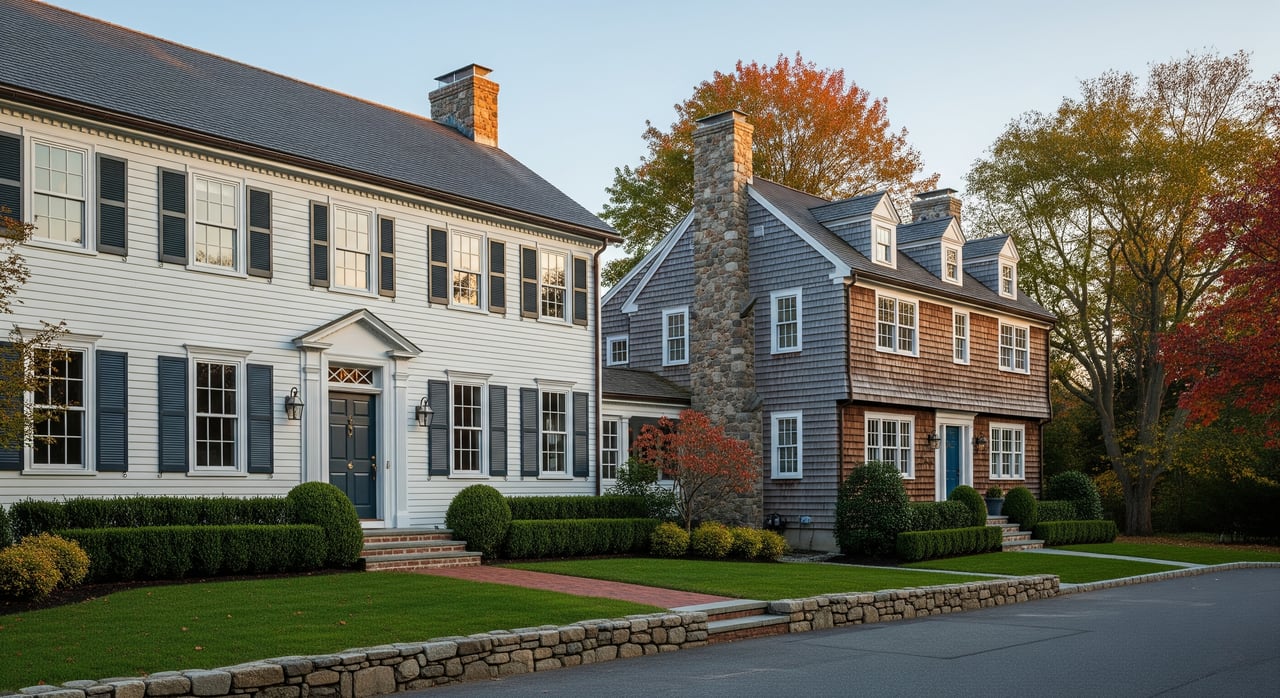
Thinking about a Colonial or a Cape in Vernon and not sure which fits you best? You’re not alone. Both styles are part of everyday life here, and each offers a different way to live, maintain, and plan for the future in New England weather. In this guide, you’ll learn how these homes differ, what to expect for upkeep, and how each style can support your goals as a buyer or seller in Vernon. Let’s dive in.
Quick snapshot: Colonial vs Cape in Vernon
Vernon has a broad mix of 19th- and 20th-century housing, from Rockville’s mill-era neighborhoods to early suburban streets and older farmsteads. That means you’ll find both Colonial and Cape homes across town. Your best choice depends on space needs, comfort with maintenance, and how you plan to live through our snowy winters and humid summers.
- Colonial: Typically two full stories, symmetrical look, and a center- or side-hall layout. They often provide more bedrooms upstairs and easier options to reconfigure or expand.
- Cape: Usually one or one-and-a-half stories with a steep roof and dormers. They offer cozy charm, smaller footprints, and the potential for single-level living.
Colonial features and floor plans
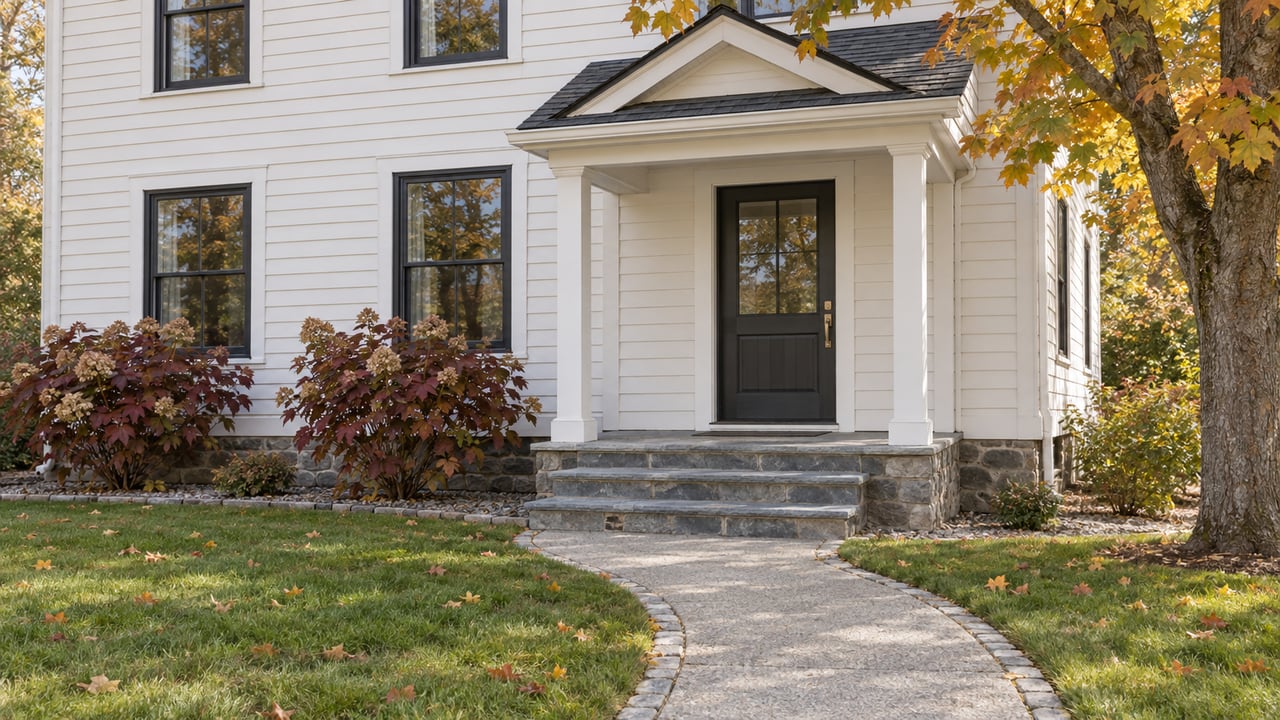
A Colonial’s exterior usually feels balanced and traditional: a centered front door, evenly spaced windows, and simple detailing that reads as “classic New England.” Many older Colonials started with wood clapboard and may have been updated with vinyl or fiber cement siding over time.
Inside, you’ll often find a center- or side-hall plan with formal living and dining rooms on the main level. Bedrooms are commonly on the second floor, often three to five, which makes it easier to meet today’s expectations for bedroom count and privacy.
Two full stories give you continuous upstairs space and strong flexibility. If you want to add an en-suite bath, rearrange bedrooms, or plan a future addition, a Colonial’s layout usually supports it without major roof changes. Most have full basements for mechanicals and storage, and some have usable attics.
Common updates include modern kitchens and baths, HVAC and hot water upgrades, and window and insulation improvements that boost comfort and efficiency.
Cape features and floor plans
Capes are known for their steep gabled roofs, compact footprints, and simple, cottage-like appeal. Many are one-and-a-half stories, which means the upstairs bedrooms sit under the roof with sloped ceilings and knee walls. Dormers are common because they add light, headroom, and usable floor area.
A Cape’s first floor can feature key living spaces and sometimes a bedroom, which is great if you want single-level living now or in the future. Basements are common for storage and utilities.
If you plan to grow into a Cape, you’ll likely consider dormer additions, a full second-story addition, or a modest rear addition. Each option can work well, but they come with structural, egress, and insulation considerations.
Common updates include new or expanded dormers, better stairs and ceiling height upstairs, insulation upgrades, and refreshed kitchens and baths.
Weather and upkeep in Vernon
Roofs and snow
- Cape: The steep roof sheds snow well, which is a plus in Vermont-like storms that reach Tolland County. If the home has dormers, you’ll want proper flashing, insulation, and ventilation to limit ice dams.
- Colonial: Roofs are usually simpler in shape with fewer intersections, which can reduce leak points. The larger roof area can mean more material to maintain or replace over time.
Basements and moisture
Many older homes in Vernon have full basements, sometimes stone or block. It’s smart to check grading, gutters, and downspouts, plus consider sump pumps or perimeter drainage if moisture is present. Radon testing is routine in parts of Connecticut and is typically handled during inspections.
Heating and energy
You’ll see a range of systems: forced hot air, hot water/boilers using oil, natural gas, or propane, and more heat pumps each year. Energy upgrades resonate with Vernon buyers. Well-insulated Capes can be cost-effective to heat, but any home benefits from good insulation, tight windows, and efficient equipment.
Exterior materials
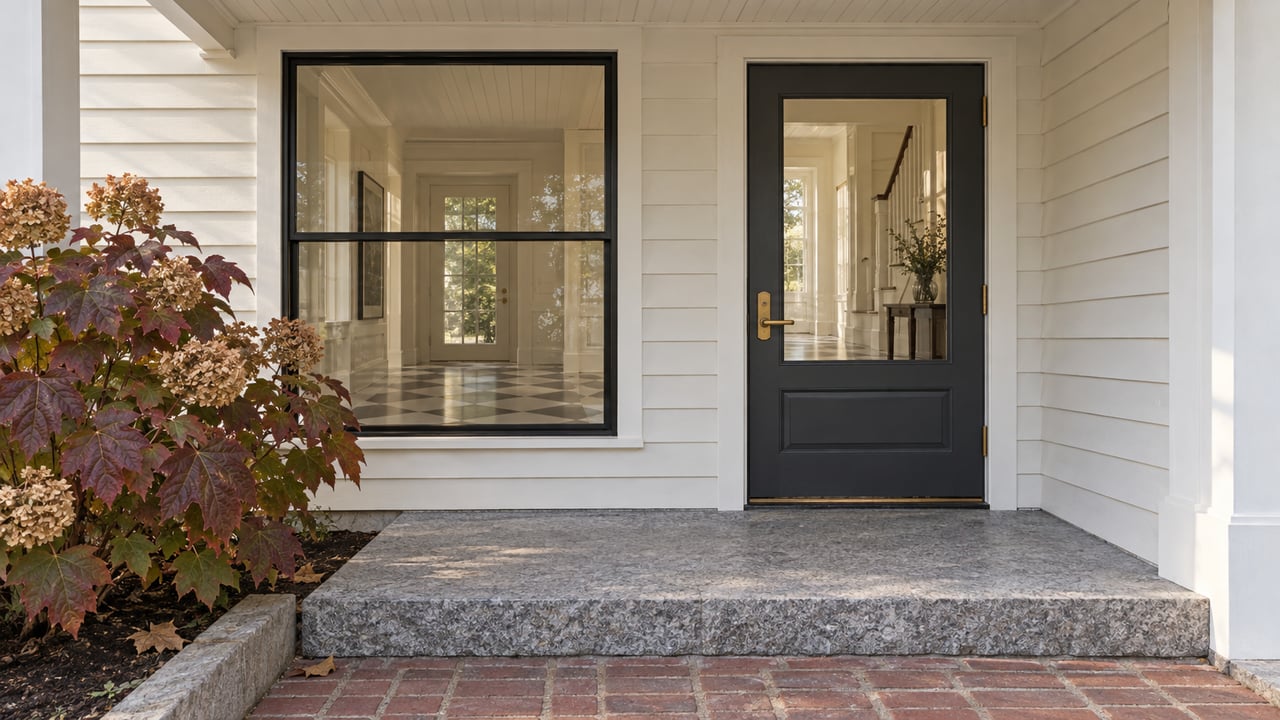
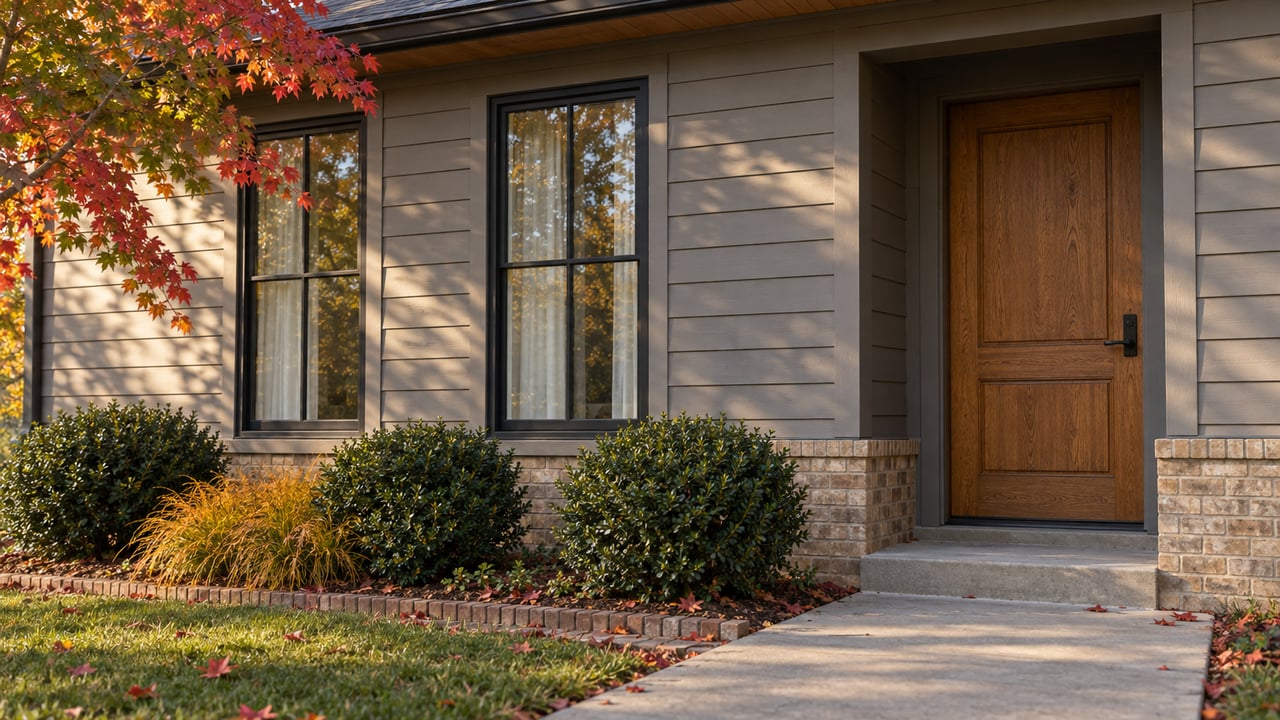
Wood clapboard brings classic charm but requires regular painting and care. Vinyl or fiber cement can reduce maintenance. Entry porticos and porches add curb appeal and need seasonal attention after freeze–thaw cycles.
What buyers in Vernon prioritize
Across both styles, buyers respond to move-in-ready systems and spaces that fit daily life:
- Bedrooms and baths: Many shoppers want at least three bedrooms and two baths. Colonials often meet this without additions; Capes can get there with smart dormers or expansions.
- Finished space: Family rooms, finished basements, or bonus areas can tip the scales.
- Practical features: Driveways, garages, and level, usable yards matter to many single-family buyers.
- Location context: Proximity to town centers, commuter routes into the Hartford area, and access to everyday amenities help listings stand out.
If you’re buying: how to choose
Start with your space needs, then look at your appetite for projects and maintenance.
- Choose a Colonial if you want multiple bedrooms upstairs, formal rooms, and easier paths to add an en-suite or rework the second floor.
- Choose a Cape if you like a compact footprint, value first-floor bedroom options, and may add dormers over time to grow the upstairs.
Buying checklist:
- Prioritize insulation, ventilation, and window quality. These make a noticeable difference in comfort and heating costs.
- Review the basement for moisture control: gutters, grading, and any existing waterproofing.
- Ask about mechanicals: age and type of HVAC, hot water system, and whether any heat pump upgrades are in place.
- For Capes with dormers, check flashing, roof intersections, and attic air sealing to reduce ice-dam risk.
- For Colonials, consider the roof’s age and the potential to create an en-suite or add a bath upstairs.
If you’re selling: how to position your home
Highlight the strengths that local buyers value and present a move-in-ready feel.
- For Colonials: Emphasize upstairs bedroom counts, the formal dining or living room, and any original details like moldings or fireplaces. If room to expand exists, mention it.
- For Capes: Showcase the cozy, efficient footprint, first-floor bedroom potential, and any dormers or attic conversions that create usable space. If you’ve made insulation or HVAC upgrades, call them out.
- Universal draws: Updated kitchens and baths, an added full bath, finished lower-level space, energy upgrades, a well-maintained roof and exterior, and clean, dry basements.
- Seasonal presentation: Fresh landscaping in spring and summer helps. In winter, clear photos that show safe access and good snow maintenance build confidence.
When you list with a full-service team, you can streamline the prep. Professional staging, photography, a vetted contractor network, and tight transaction coordination make it easier to bring a polished, buyer-ready home to market.
Renovations and permits in Vernon
If you’re planning dormers, a second-story addition, or a rear addition, you’ll need building permits and possibly zoning review for setbacks. Properties in historic districts may need exterior review and approval before changes.
For any structural or mechanical work, expect requirements for egress, ceiling height, insulation, and load. Timelines and costs vary by scope, and energy incentives may be available through state and utility programs. Upgrades like added insulation or a high-efficiency heat pump can be both livability improvements and selling points.
Commute and local context
Vernon sits within the Hartford region in north-central Connecticut, with access to area commuter routes and Bradley International Airport. Many buyers weigh proximity to town centers, schools, and neighborhood amenities alongside home style and condition. If you plan to sell, be sure your marketing mentions the home’s practical location context.
So, what’s more popular in Vernon?
Both styles are common here, and demand depends on who is shopping and how move-in-ready the home is. Families often appreciate the space and upstairs layouts in Colonials. First-time buyers and downsizers often lean toward Capes for their cozy scale and potential for single-level living. In any market cycle, updated systems, comfortable layouts, and thoughtful energy improvements help your home rise to the top.
Ready to compare options or prepare your home for the market? Connect with a local team that pairs neighborhood knowledge with a streamlined listing process.
If you’re weighing a Colonial or a Cape in Vernon and want clear, step-by-step guidance, reach out to Kathy Danais and the Danais & Gordon Team for a free home valuation and selling plan.
FAQs
Which style is easier to expand in Vernon?
- Colonials usually offer simpler paths to add bedrooms or baths on the second floor without raising the roofline, while Capes often need dormers or a full second-story addition.
Are Capes cheaper to heat than Colonials?
- Smaller, well-insulated Capes can be less expensive to heat, but actual costs depend more on insulation, windows, and HVAC type than the architectural style alone.
Are dormer additions risky in our climate?
- Dormers work well when properly designed and built; correct flashing, insulation, and ventilation are key to preventing leaks and ice dams.
What should I check in older Vernon basements?
- Look for moisture control via gutters and grading, consider sump or drainage solutions if needed, and plan for routine radon testing during inspections.
Do Vernon buyers prefer Colonials or Capes?
- It varies by buyer profile and the home’s updates; families often favor Colonials for space, while first-time buyers and downsizers often prefer Capes for their footprint and charm.
What permits do I need for additions?
- Most additions, including dormers and second-story work, require building permits and may need zoning review; homes in historic districts can require design review for exterior changes.