Thinking about selling your South Windsor home, but not sure where to start? You want a smooth process, a strong price, and fewer surprises between offer and closing. With a clear plan and the right team, you can prepare with confidence and launch your listing when buyers are most active. This guide gives you a step-by-step roadmap tailored to South Windsor and the Hartford area. Let’s dive in.
Why South Windsor buyers say yes
South Windsor attracts buyers who value suburban convenience near Hartford, access to Bradley International Airport, and practical features like yard space and flexible rooms. Many shoppers look for updated kitchens and baths, move-in condition, energy-efficient systems, and good storage. If you highlight these strengths, you will stand out to the people most likely to make an offer.
Timing matters too. In Connecticut, spring typically sees the most buyer activity, with fall also active. Winter can still work with motivated buyers, though there are usually fewer showings. If you are aiming for a spring launch, plan your preparation work 4 to 6 weeks in advance so you are ready to capture early interest.
Plan your sale timeline
Use this simple sequence to stay organized. Adjust the pace for your goals and contractor availability.
- Week 1: Walkthrough with your listing agent to identify high-impact updates relative to comparable homes.
- Week 1–2: Consider a pre-listing inspection to uncover issues early. Discuss pros and cons with your agent.
- Week 2–3: Get contractor estimates for prioritized repairs and updates. Ask for a minimal acceptable scope and a stretch scope.
- Week 3–5: Complete repairs, deep clean, declutter, and begin staging.
- Week 5–6: Schedule professional photography, floor plan, and a virtual tour.
- Week 6: Final touch-ups, launch mid-week, and plan for weekend showings.
What to fix first
Not everything needs a full remodel. Focus on the items that build buyer confidence and tighten your negotiation position.
Priority A: Safety and major systems
Fix these before listing or be prepared to disclose them.
- Roof leaks, active water in the basement, structural concerns
- HVAC failures, electrical hazards, plumbing leaks
- Issues that may block financing or insurance
Unresolved major problems can slow your sale or cause a deal to collapse. Address them early.
Priority B: High-ROI function and finish
These improvements help your home feel well cared for.
- Kitchen: deep clean, service appliances, refresh cabinet hardware, update lighting
- Bathrooms: repair grout and caulk, fix running toilets, replace worn fixtures, ensure fans work
- Systems: service HVAC and water heater, clean gutters and downspouts, confirm sump pump works
- Windows/doors: fix drafts and sticky locks
- Exterior: touch up paint, repair driveway, clear roof and gutters
Priority C: Staging and curb appeal
These are the polish that photographs well and makes showings memorable.
- Neutral interior paint in key rooms, clean carpets or replace worn flooring
- Updated lighting where dated, simple hardware swaps in kitchen and bath
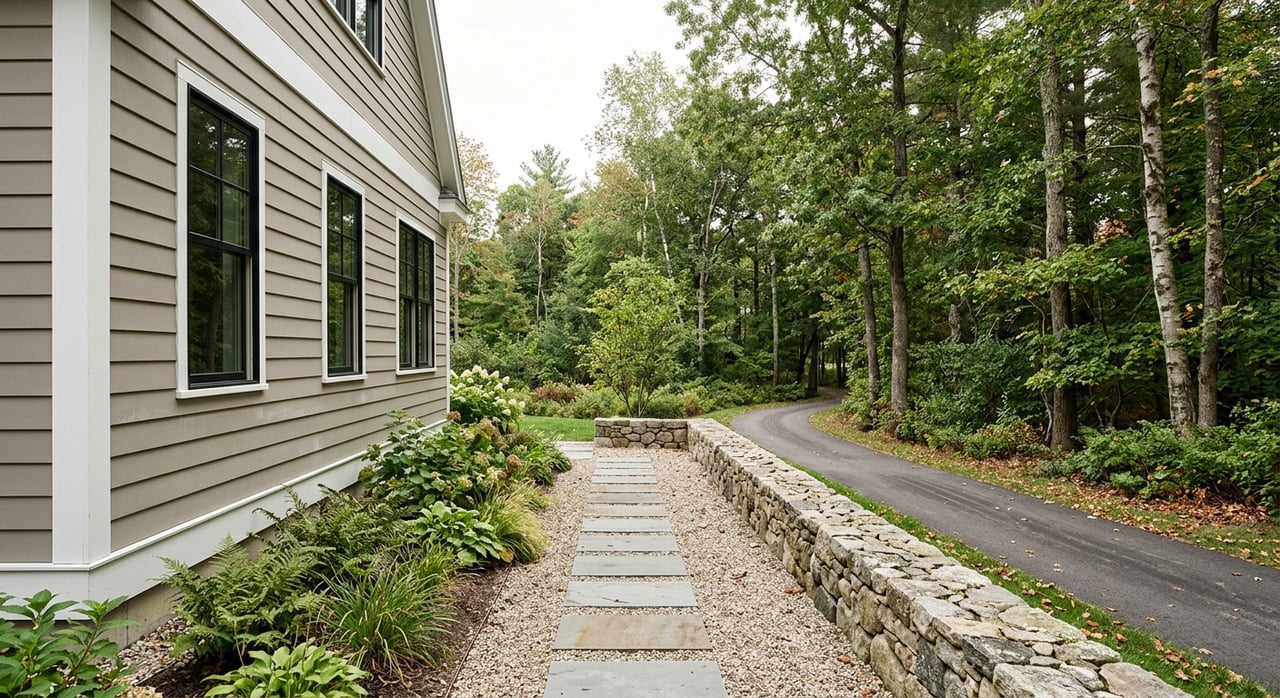
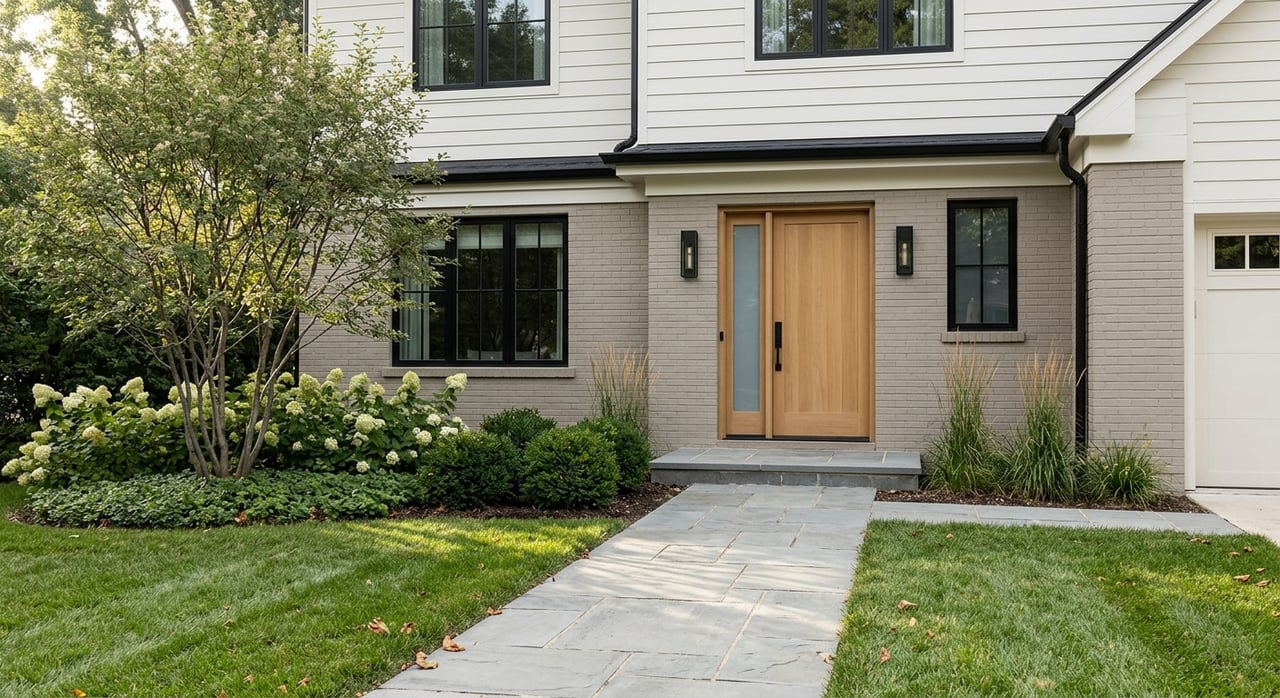
- Landscaping refresh: mulch, trimmed shrubs, tidy lawn
- Decluttering and depersonalizing to help buyers picture their own lives in the space
Pre-listing inspection and disclosures
A pre-listing inspection can surface issues early, support pricing, and guide repair decisions. It may also create disclosure obligations, so weigh this step with your agent.
For homes built before 1978, federal law requires you to disclose and share any known lead-based paint information. Connecticut also requires specific seller disclosures. If you have completed major work in the past, gather permit records, certificates of occupancy if applicable, and warranties. If you hire contractors, verify that they are registered or licensed as required in Connecticut and that you have a written contract. When in doubt, consult your agent or a real estate attorney so your paperwork is accurate from day one.
Staging that speaks to buyers
Your goal is to show how the home functions day to day. Make it easy for buyers to imagine themselves living there.
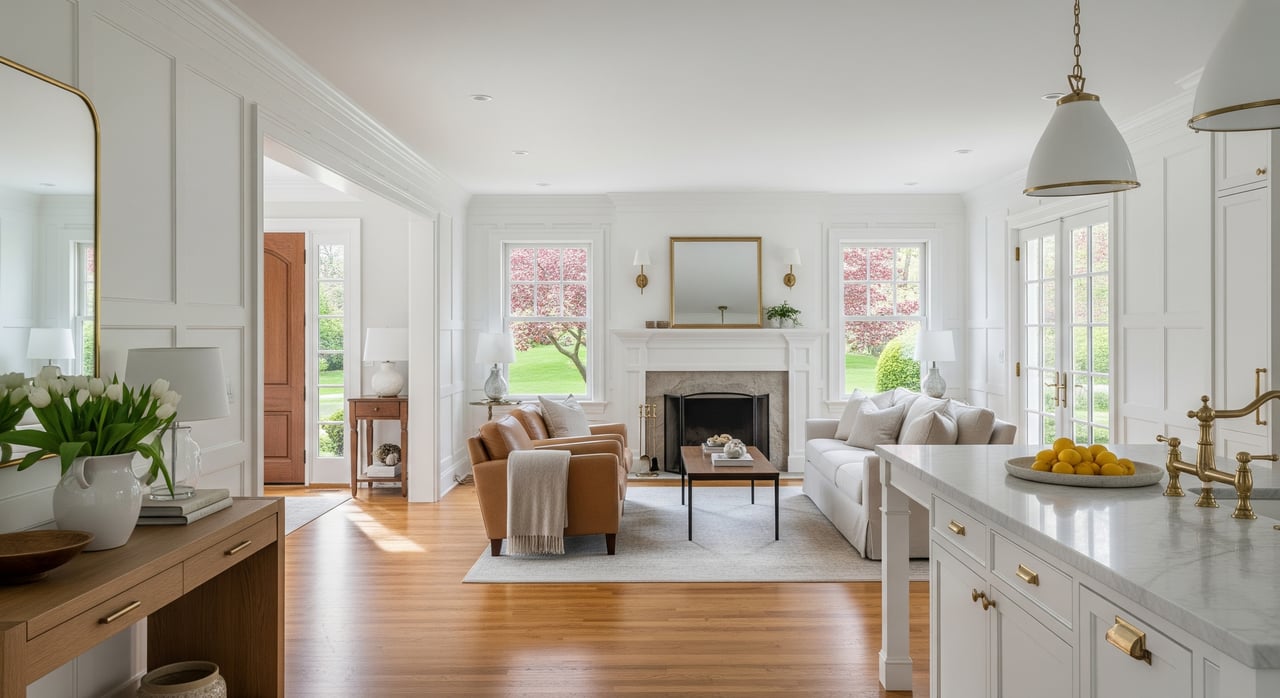
- Spotlight the kitchen, family room, main living and dining areas, and the primary suite.
- Show flexible spaces as options, like an office, playroom, gym, or guest room.
- Keep closets and storage areas organized and not overstuffed.
Professional staging can be a smart move, especially for upper mid-range homes, because furniture scale and neutral decor help photos pop. DIY staging also works well if you declutter, rearrange thoughtfully, and use light, neutral accents.
Photos and virtual tours that convert
High-quality visuals boost online engagement and help pre-qualify buyers.
- Hire a real estate photographer skilled in interiors and HDR.
- Must-have shots: front exterior, foyer, living room, kitchen, primary bedroom and bath, family room, backyard, and notable upgrades like a finished basement.
- Use twilight exteriors if your curb appeal shines at dusk.
- Add a measured floor plan and consider a 3D tour for upper-end listings to help remote buyers.
Launch strategy and showings
Choose a listing day that maximizes exposure. Many sellers launch mid-week to build momentum into weekend showings. Create a simple daily routine for keeping the home show-ready.
- Quick clean checklist and last-minute staging touches
- Pet plan for showings and open houses
- Easy access to keys or garage codes for agents
Vacant homes often benefit from furniture rental or partial staging so the photos feel warm and inviting.
Be ready for inspections and negotiation
Preparation reduces stress during the option and inspection periods. Keep these items handy.
- Receipts for recent repairs and system services
- Manuals and warranties for appliances and mechanicals
- Records of radon, well, or septic service where applicable
Expect requests for repairs or credits after inspections. When you have already addressed priority issues or can document recent professional work, you simplify negotiations and protect your net.
Who does what on your team
A smooth sale is a coordinated effort. Know your key partners and their roles.
- Listing agent: pricing strategy, marketing plan, vendor referrals, negotiation
- Stager: furniture and decor strategy to optimize photos and flow
- Photographer/videographer: listing photos, floor plans, and virtual tour
- Contractor/handyman: estimates, repairs, and permit coordination when needed
- Home inspector: pre-listing or buyer-side evaluation of condition
- Real estate attorney: common in Connecticut, supports disclosures and closing logistics
- Title and closing services: handle title work and settlement
How a full-service approach helps
If you want a low-stress sale, a full-service team can coordinate contractors, staging, photography, and showings for you. You get one point of contact, faster timelines, and strong presentation that helps maximize price and minimize time on market. A clear scope, itemized fees, and local references keep the process transparent and predictable.
Quick pre-listing checklist
Use this list to stay on track.
- Agent consultation and comparative market analysis
- Optional pre-listing inspection
- 2 to 3 bids for any major repair
- Complete safety and major system fixes first
- High-impact cosmetic updates: paint, lighting, hardware
- Deep clean interior, carpets, windows; pressure wash exterior
- Declutter, depersonalize, and organize storage
- Staging plan, professional or DIY
- Book photographer, floor plan, and 3D tour if appropriate
- Prepare disclosures, permits, and warranty records
- Schedule mid-week launch and plan open house logistics
- Start pre-move planning: address changes, movers, pack nonessentials
Ready to sell with confidence in South Windsor? Partner with a team that brings local expertise, polished marketing, and coordinated execution from start to finish. Connect with Kathy Danais to get a free home valuation and selling plan.
FAQs
What should I do first when preparing to sell in South Windsor?
- Start with a walkthrough with your listing agent to identify high-impact fixes, then line up estimates and set a realistic 4 to 6 week prep timeline.
Do I need a pre-listing home inspection in Connecticut?
- It is optional but helpful for finding issues early and planning repairs; discuss disclosure implications with your agent or a real estate attorney.
Which repairs give the best return before listing?
- Prioritize safety and major systems, then focus on kitchen and bath refreshes, lighting, paint, and curb appeal that show care and move-in readiness.
When is the best time to list in South Windsor?
- Spring typically brings the most buyer activity, with a secondary bump in early fall; plan ahead so your home is ready when demand rises.
How important is professional staging and photography?
- Very important; clean, well-staged rooms and pro photos increase online engagement and help buyers connect with your home quickly.
What disclosures are required for Connecticut sellers?
- You must follow state seller disclosure rules and, for homes built before 1978, federal lead-based paint disclosure; keep permits and warranties available for review.