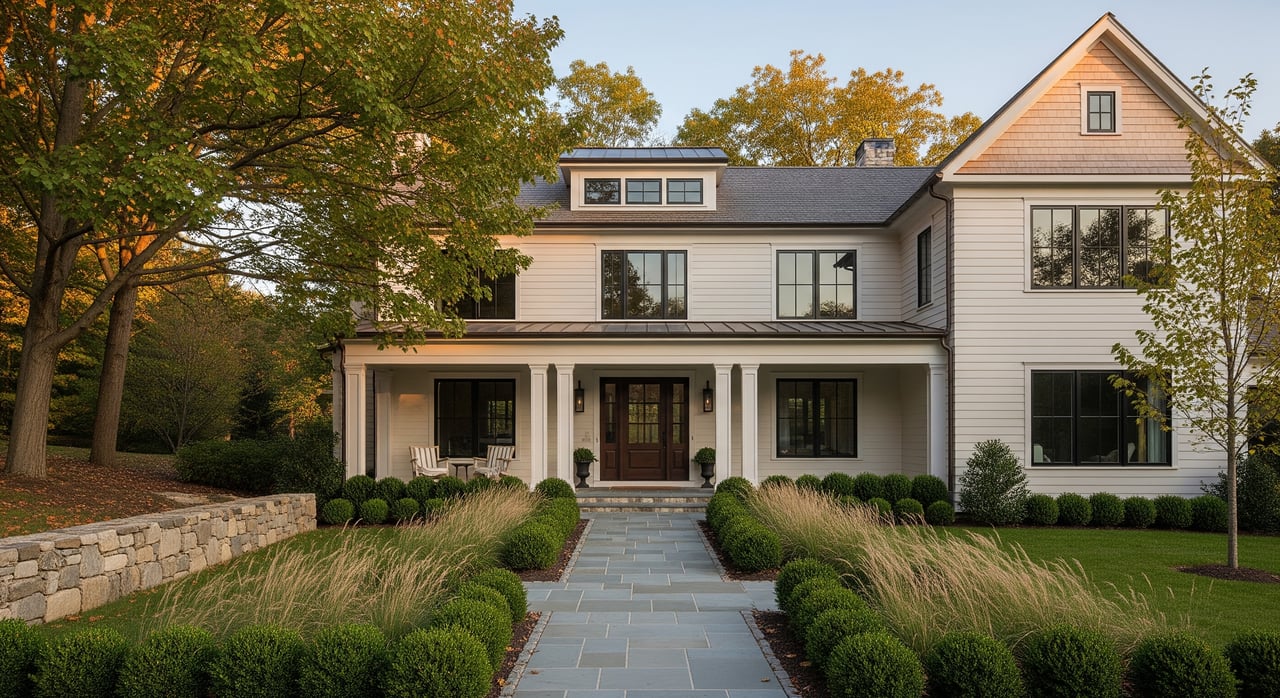
Wondering which home style in Ellington will fit your life best? Choosing between a Colonial, Cape, Ranch, or something newer can shape everything from morning routines to weekend projects. This guide shows you what to expect in ZIP 06029, including common styles, typical lot sizes, utilities, and smart inspection steps. You will walk away able to match your lifestyle with the right kind of home and plan your next move with confidence. Let’s dive in.
Ellington 06029 at a glance
Ellington sits in Tolland County and blends a classic New England village center with midcentury neighborhoods and newer subdivisions. You will find older wood-frame homes near the center, plus 1950s–1970s ranch and Cape streets and late-1990s to present-day Colonials and custom builds. For background on the town and housing counts, explore the Town of Ellington’s official site and the U.S. Census QuickFacts. The mix here supports many buyer needs, from single-level living to larger lots with more privacy.
- Get town context and local departments on the Town of Ellington website.
- Review high-level data on U.S. Census QuickFacts.
Colonial homes: classic and flexible
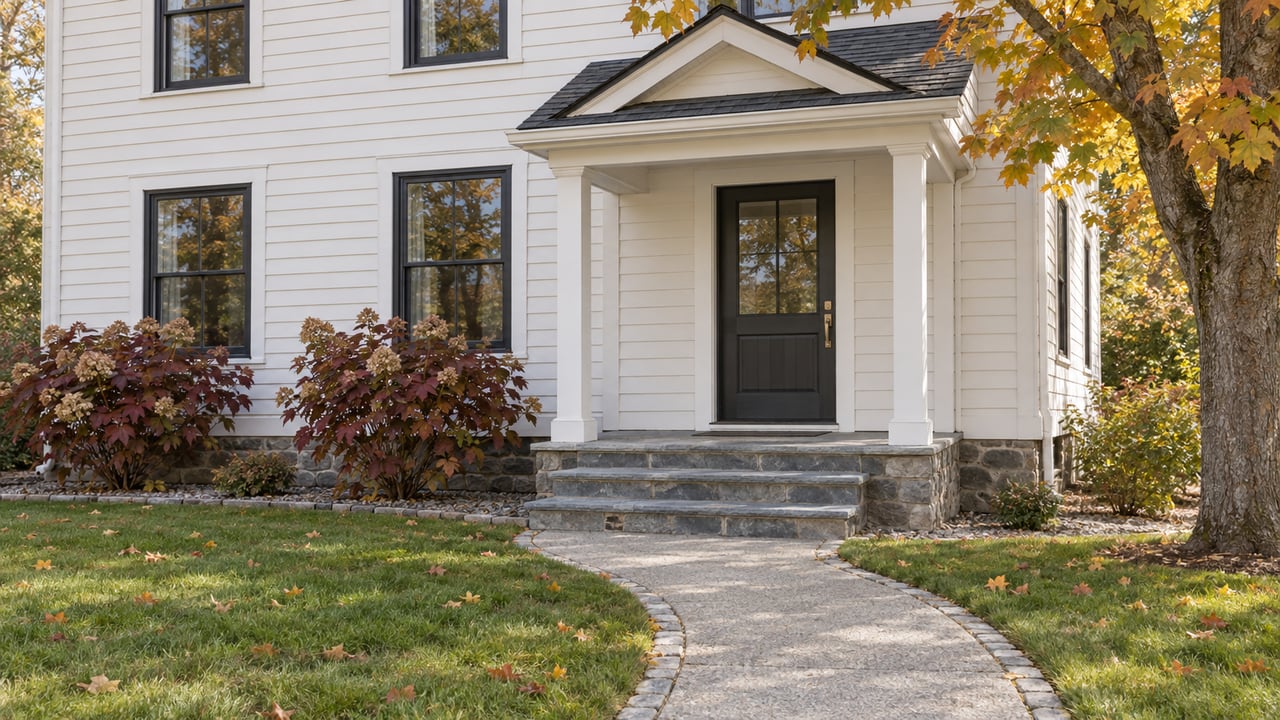
Colonials are a New England staple and very common in Ellington. They are usually 2 or more stories with a symmetrical front, a central or side hall, and 3 to 5 bedrooms. Older examples cluster near the village, while many newer Colonials sit in subdivisions with attached garages.
- Typical lots: village settings under 1 acre, suburban parcels around 0.25 to 1.5 acres, with larger acreage for custom builds.
- Why you might like it: The layout suits many families, offers good storage, and has broad resale appeal.
- Keep in mind: Pre-1978 homes can involve lead paint. Opening walls for modern, open-plan kitchens may require structural planning.
- Renovation note: Finishing basements, updating windows, and reworking kitchens are common projects that add comfort and value.
Cape Cod homes: cozy and adaptable
Capes range from historic, compact versions to midcentury and renovated styles with dormers. Expect a 1 to 1.5 story layout, steep roof, and a simple footprint with 2 to 4 bedrooms.
- Typical lots: often 0.25 to 1 acre in suburban areas, with rural Capes on larger parcels.
- Why you might like it: Efficient space and easier upkeep make Capes great starter options.
- Keep in mind: The upper half-story may have limited headroom. Adding dormers or a rear addition can improve space but adds cost.
- Renovation note: When dormering or expanding, pair new roofing with insulation upgrades for better comfort.
Ranch homes: single-level ease
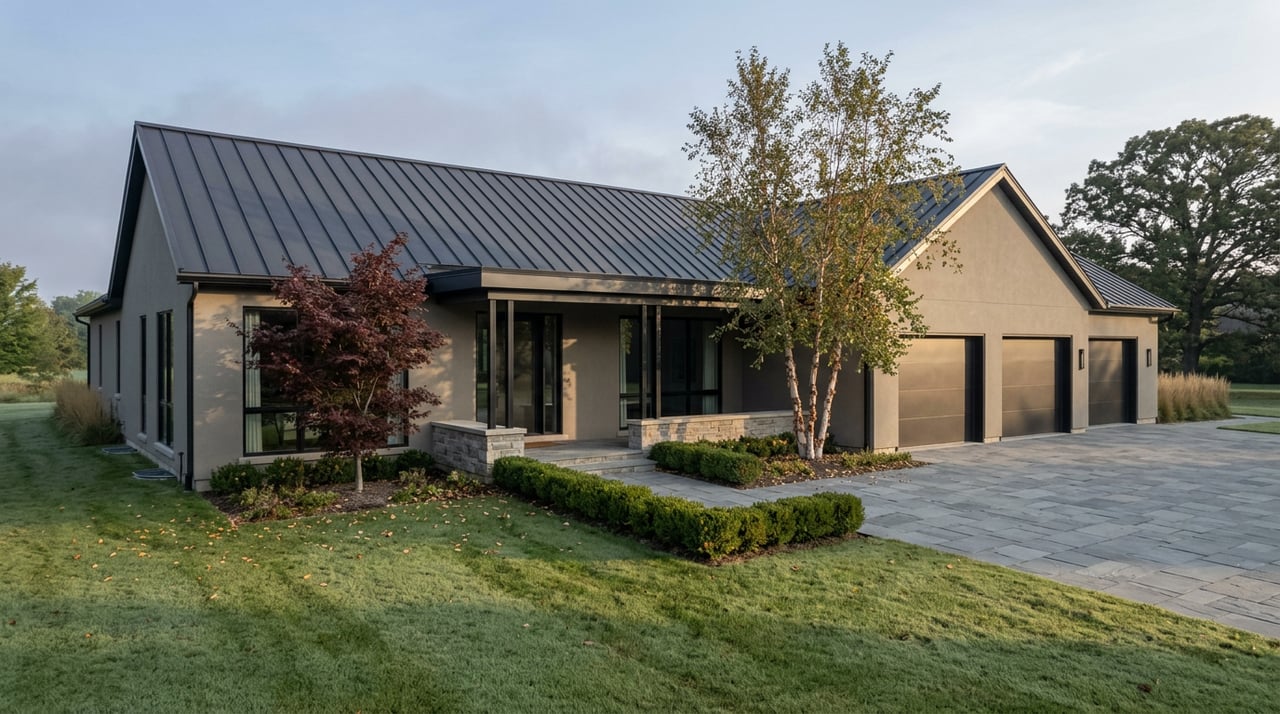
Ranch homes offer one-level living with a long, horizontal footprint. Many have full basements in Connecticut, and attached garages are common.
- Typical lots: 0.25 to 1 acre in midcentury neighborhoods, with larger parcels in rural settings.
- Why you might like it: Single-floor living supports aging in place and easy indoor to outdoor flow.
- Keep in mind: Some older ranches have dated mechanicals or slab foundations that reduce basement options.
- Renovation note: Finishing a full basement (if present) can add living area. Upgrading windows, roofing, and insulation can improve efficiency.
Victorian and older styles: character near center
You will find select Victorian-era homes in and around Ellington Center, including Queen Anne and Italianate styles with decorative trim, bay windows, and porches.
- Typical lots: smaller village-style parcels near town amenities.
- Why you might like it: Distinctive architectural details and historic character.
- Keep in mind: Older systems may need electrical, plumbing, or insulation upgrades. Some properties could have local historic considerations.
- Renovation note: Plan for exterior preservation alongside interior modernization, and check local regulations early in your process.
Contemporary and new construction: modern comfort
From the 1990s onward, Ellington has seen more contemporary and custom builds. These often feature open plans, large kitchens, primary suites, attached multi-car garages, and energy-efficient systems such as heat pumps.
- Typical lots: subdivision parcels around 0.25 to 1 acre, plus custom rural homes on larger acreage.
- Why you might like it: Lower immediate maintenance, better efficiency, and layouts that match current lifestyles.
- Keep in mind: Denser developments can mean smaller yards. Custom finishes increase costs.
- Renovation note: Early years focus more on personalization than major system replacement.
Lot sizes and settings in 06029
Ellington offers a wide range of lot sizes. Village homes near the center often sit on parcels under 0.5 acre. Subdivision lots typically range from about 0.25 to 1.5 acres. Rural and estate properties can run from 1 to 5 or more acres.
- What this means for you: Lot size affects privacy, garden space, pools, or room for accessory buildings. It also influences future expansion potential.
- Tip: Verify whether the property is part of a subdivision or on a private road, and whether there are any maintenance agreements.
Utilities and systems: what to check
Many Ellington homes outside the center rely on private wells and septic systems, while limited areas may have municipal sewer. Early in your search, confirm whether a property uses well and septic or town services.
- Due diligence: Schedule a septic inspection and dye test and order a well water test and pump inspection where applicable. For statewide guidance, the Connecticut Department of Public Health provides resources on private wells and septic.
- Heating and fuel: Expect a mix of oil, propane, natural gas where available, and growing adoption of heat pumps for efficiency. Insulation and high-performance windows can lower operating costs.
- Efficiency incentives: Explore efficiency programs and updates through the Connecticut Department of Energy and Environmental Protection.
Garages, driveways, and outbuildings
Two-car garages are common in suburban areas. Older village homes may have detached garages or limited off-street parking. Larger rural parcels often include sheds or barns.
- Road access: Some rural properties sit on private roads. Review any maintenance agreements during your contingency period.
- Accessory structures: If you plan to add a shed, barn, or pool, confirm local setback rules and any special permits ahead of time.
Permits, zoning, and historic checks
Zoning rules govern minimum lot sizes, setbacks, accessory uses, and more. Additions, accessory buildings, and any changes to septic or well typically require permits and inspections.
- Where to start: Confirm requirements with the Town of Ellington for zoning, permits, and any historic-district considerations near the center.
- Timing: Build permit approval time into your renovation schedule, especially for larger additions or septic work.
Choose your fit: quick style matrix
Use this quick guide to match lifestyle goals with the home types you will see in 06029:
- Need multiple bedrooms, formal spaces, and storage: choose a Colonial or larger Cape.
- Prefer single-level living or easy accessibility: choose a Ranch or newer one-level design.
- Want historic character and proximity to town services: explore village-area Victorians or older Colonials.
- Want low-maintenance, open layouts, and better efficiency: focus on contemporary and newer construction.
- Want more land for gardens or hobbies: shop rural parcels of 1 acre or more.
Inspections and smart upgrades
Plan for a thorough inspection and targeted upgrades that improve comfort and value.
- Septic system: get an inspection and ask for age and capacity records.
- Well water: order water testing and a pump inspection if on a private well.
- Roof and envelope: confirm roof age and check insulation levels, windows, and attic ventilation.
- Heating and cooling: note system age and fuel type. Consider heat pump options where practical.
- Foundation and basement: evaluate moisture, drainage, and foundation condition.
- Safety items in older homes: test for lead-based paint in pre-1978 homes and review electrical for outdated wiring.
- Access and boundaries: review driveway condition, private-road agreements, and verify lot lines if you plan to expand.
Plan your next steps
Start by clarifying must-haves like bedroom count, layout preferences, and yard needs. As you tour, verify sewer or septic and well status, heating fuel, and recent system updates. If you expect to add bedrooms or finish a basement, check septic capacity and local permits early.
When you are ready to compare neighborhoods, line up inspections, and negotiate with confidence, connect with a local advisor who knows 06029 well. If you want clear guidance and a low-stress process, reach out to Kathy Danais to talk through your plan.
FAQs
What home styles are most common in Ellington 06029?
- You will see many Colonials, Capes, and Ranches, plus select Victorian-era homes near the center and newer contemporary builds in subdivisions and rural areas.
How big are lots in Ellington, CT?
- Village lots can be under 0.5 acre, suburban subdivisions often range from about 0.25 to 1.5 acres, and rural parcels can run from 1 to 5 or more acres.
Do Ellington homes use septic and well water?
- Many properties outside the center rely on private wells and septic systems, while limited areas have municipal sewer. Confirm early and plan for well and septic inspections.
What heating systems are typical in Ellington homes?
- Expect oil or propane in many areas, natural gas where available, and growing use of heat pumps. Insulation and window upgrades can improve efficiency.
Are there historic-district rules near Ellington Center?
- Some older properties may be subject to local regulations. Check with the Town of Ellington for any historic commissions or overlay districts that could affect exterior changes.
Where can I learn about permits and zoning in Ellington?
- Start with the Town of Ellington website for planning, zoning, and building permit guidance, and confirm any specific requirements for your property and project.